A safari is one of those journeys that stays with you forever. From breathtaking landscapes and endless savannahs to unforgettable wildlife encounters, every game drive feels like stepping into a nature documentary!! It is something I truly believe everyone should experience at least once in their life!! My first safari was in Tanzania, in the Serengeti National Park and my second in the Greater Kruger area, South Africa. I had been planning both trips for a long time – safari has always been a big dream of mine.
For details regarding my Tanzania trip, check my other article: “Safari: an one in a lifetime experience.”
After these unforgettable experiences, I created the guide below for a South African safari, hoping it will be useful for anyone going to this insane country!! Before your journey begins, here are the must-pack items you shouldn’t forget!
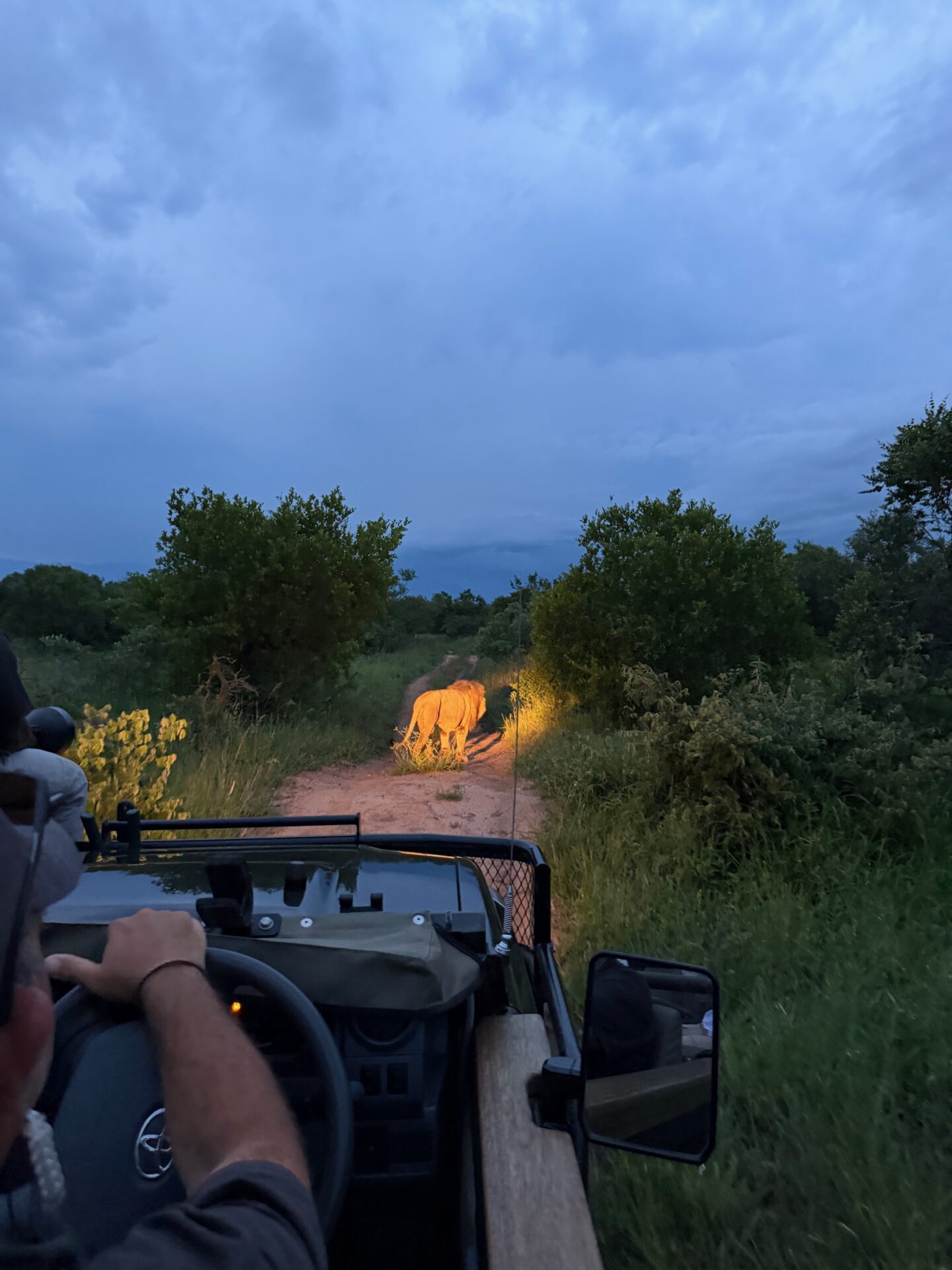
- BINOCULARS: In private game reserves, like the one I visited in Kruger, we were lucky enough to get very close to the animals, so I personally did not use binoculars much. However, they are still useful to pack, especially if you are visiting larger national parks like Kruger, where animals can sometimes be farther away!
Angel’s tip: As you can see in the picture I took below with my phone, animals were very close in Thornybush private game reserve I was.
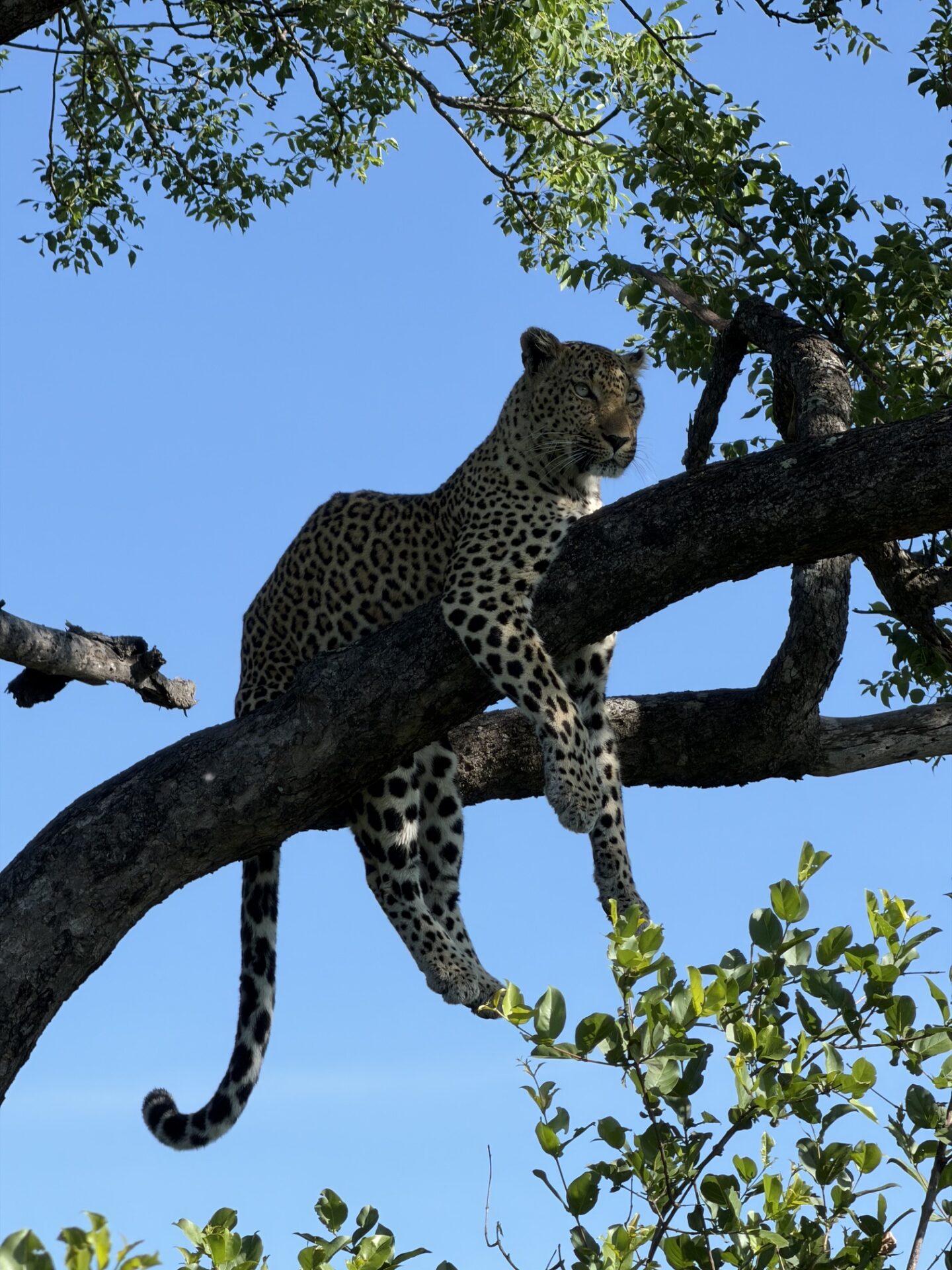
- A DSLR camera. I know it is expensive but if you don’t have any and you can borrow one, do it! A DSLR or mirrorless camera with a zoom lens is a great addition if you enjoy wildlife photography. However, if you’re staying in a private game reserve like I did in Thornybush, you may be surprised by just how close the animals get. I captured all my photos and videos using only my phone (last Iphone model) and it was more than enough for my trip. That said, if you already own a good camera, it’s definitely worth bringing it for even more detailed wildlife shots.Angel’s tip: Make sure you have enough memory space on both your phone and camera. During safari, you’ll take a lot of photos and videos. I have an iPhone and because there was little to no internet, my photos couldn’t upload to iCloud . Everything stayed on my phone and at one point I couldn’t take more photos until I deleted older ones – not ideal in the middle of a safari!
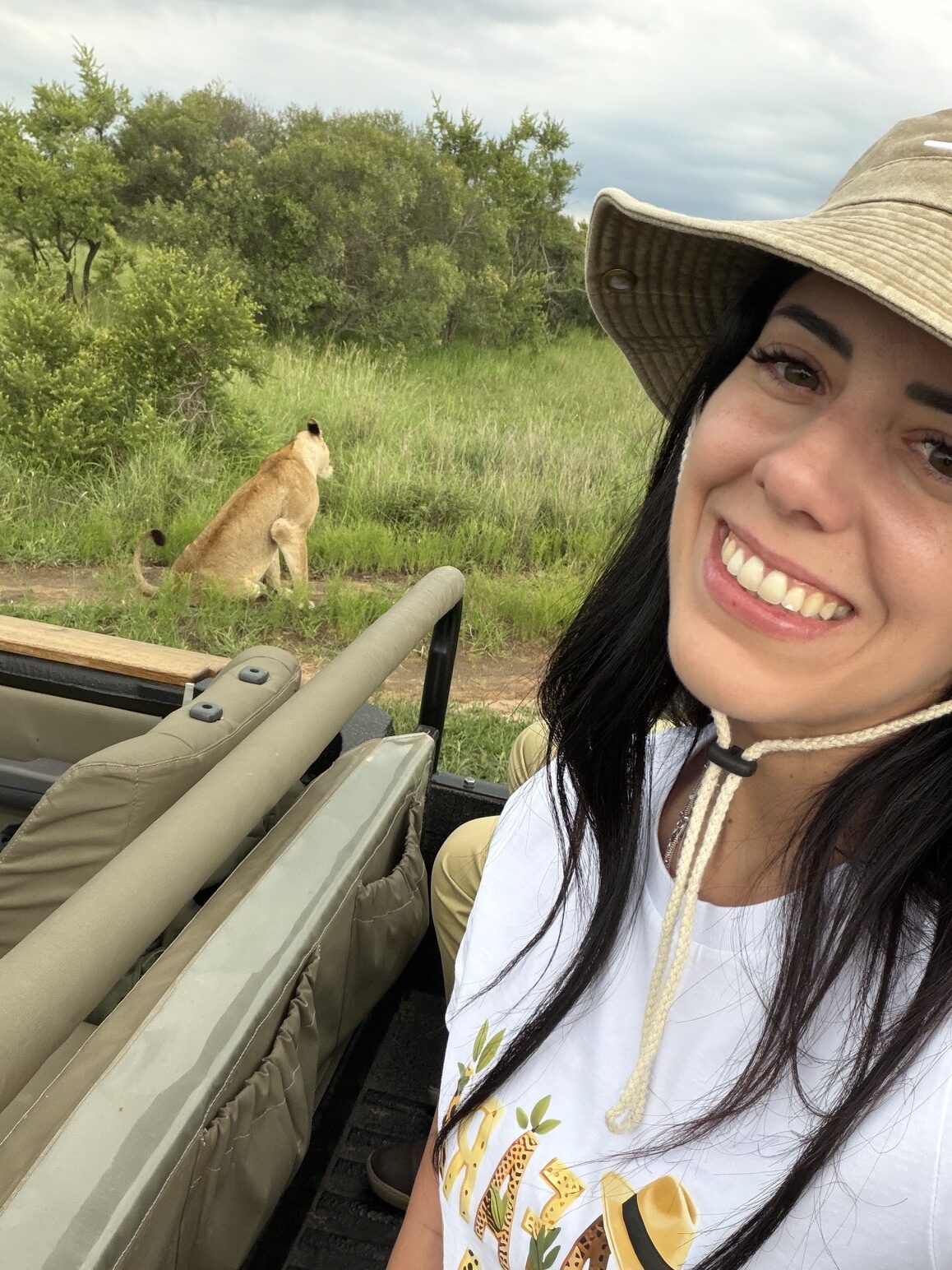
- A SAFARI HAT. Ok, undoubtedly it is primarily adding up on your “safari look” and the photos are much better with the appropriate outfit but sun sometimes is getting pretty intense during noon hours, so it is serving a practical purpose as well! Angel’s tip: I bought 3 different colors from Temu!
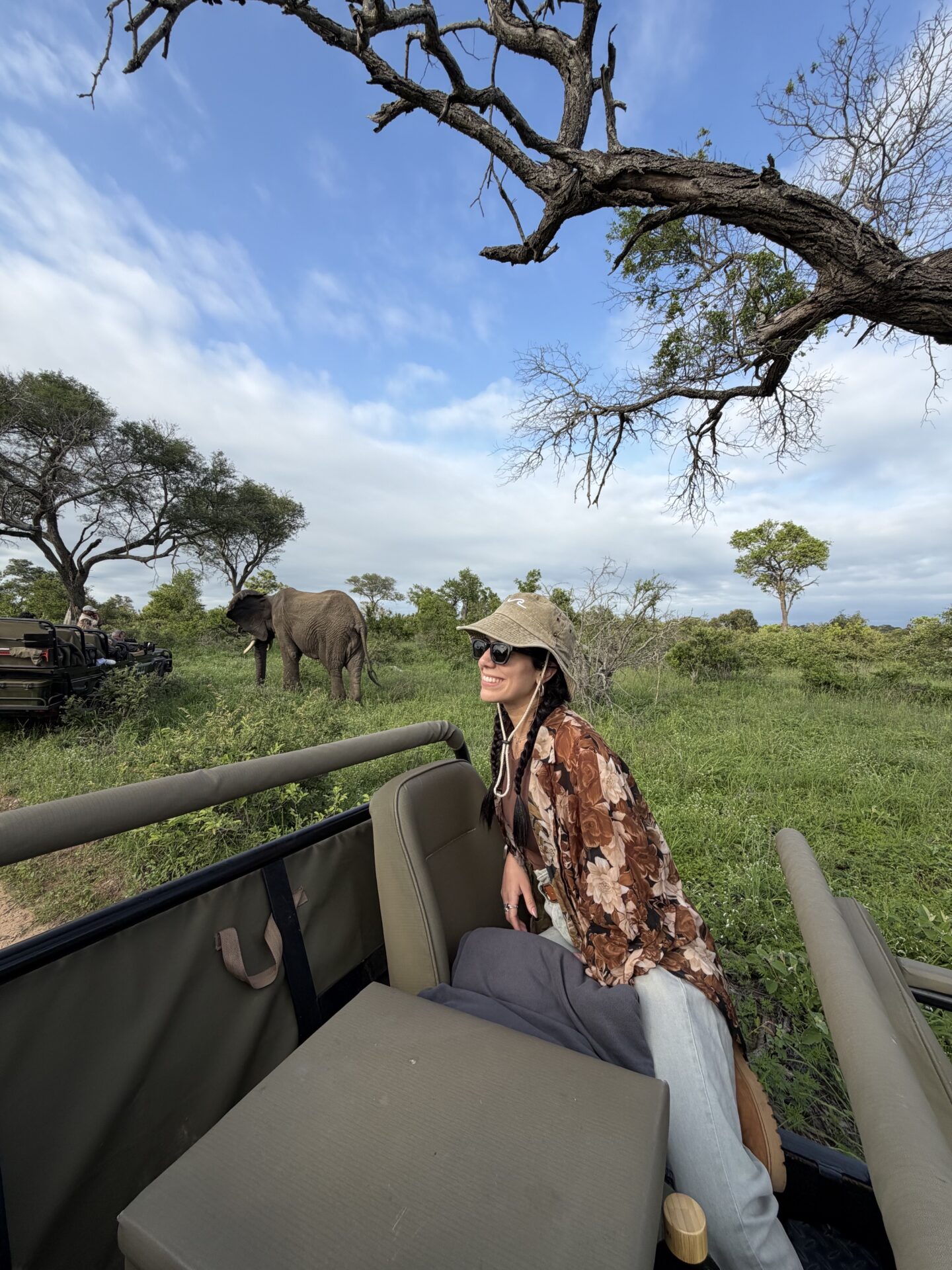
- DRESSING IN LAYERS. Choose light, comfortable clothes in neutral colors such as beige, khaki, olive green, brown… These shades blend better with the natural environment and are more practical for game drives. Avoid very bright colors and flashy prints. In South Africa we were in an open safari jeep, so layers were essential. I usually wore long pants with a T-shirt, plus a light long-sleeve top or jacket for the early morning/late afternoon drives. Angel’s tip: Depending on the season and rain, a raincoat can also be useful. In our lodge, they actually provided raincoats, which was super convenient and showed how well-organized everything was!
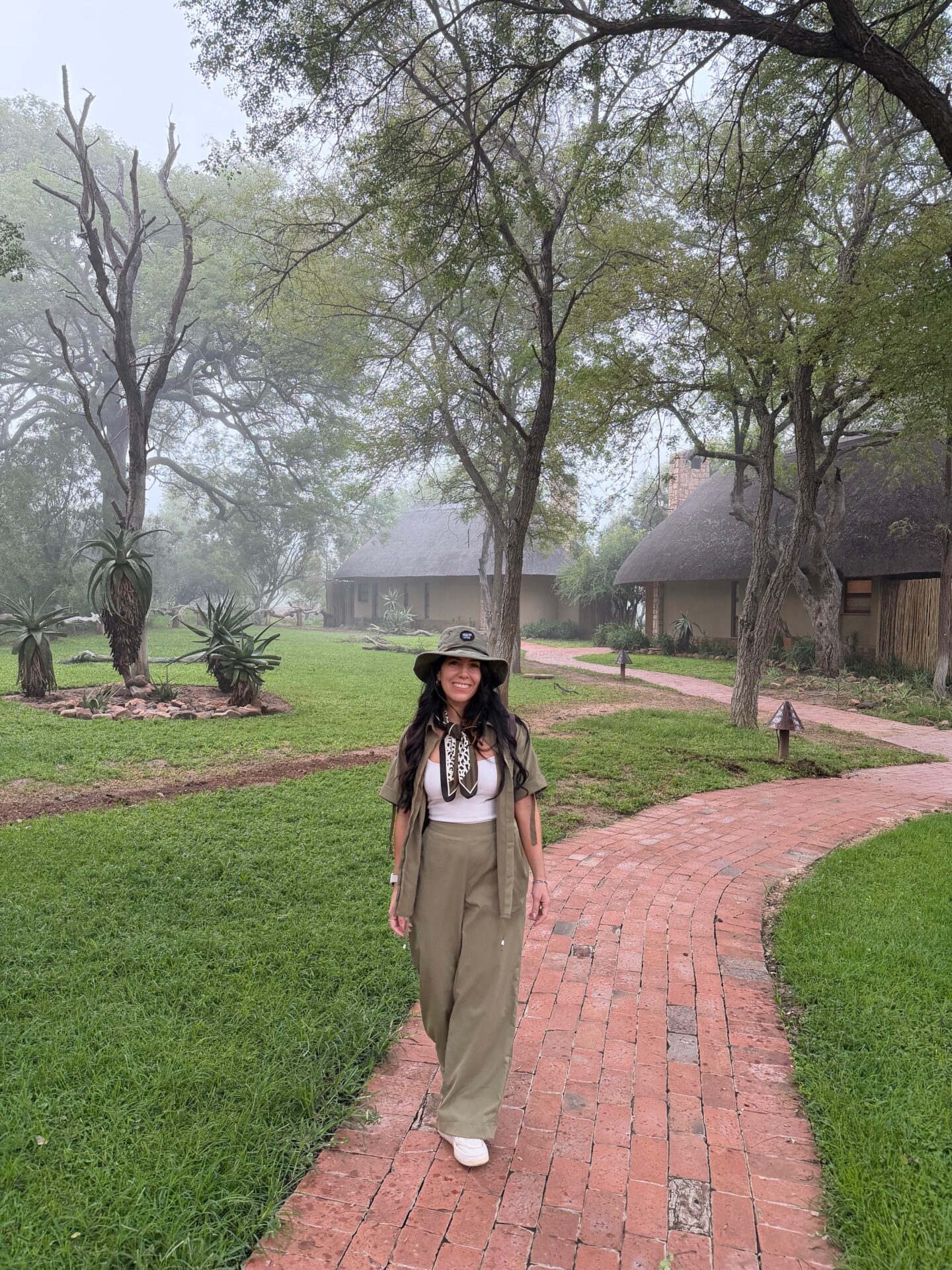
- COMFORTABLE SHOES. You can choose either sneakers or boots with the relevant socks to protect your ankles from the mosquitoes.
- SUNGLASSES:The African sun can be very strong, and sunglasses are useful not only for the light but also for dust during open-vehicle game drives.
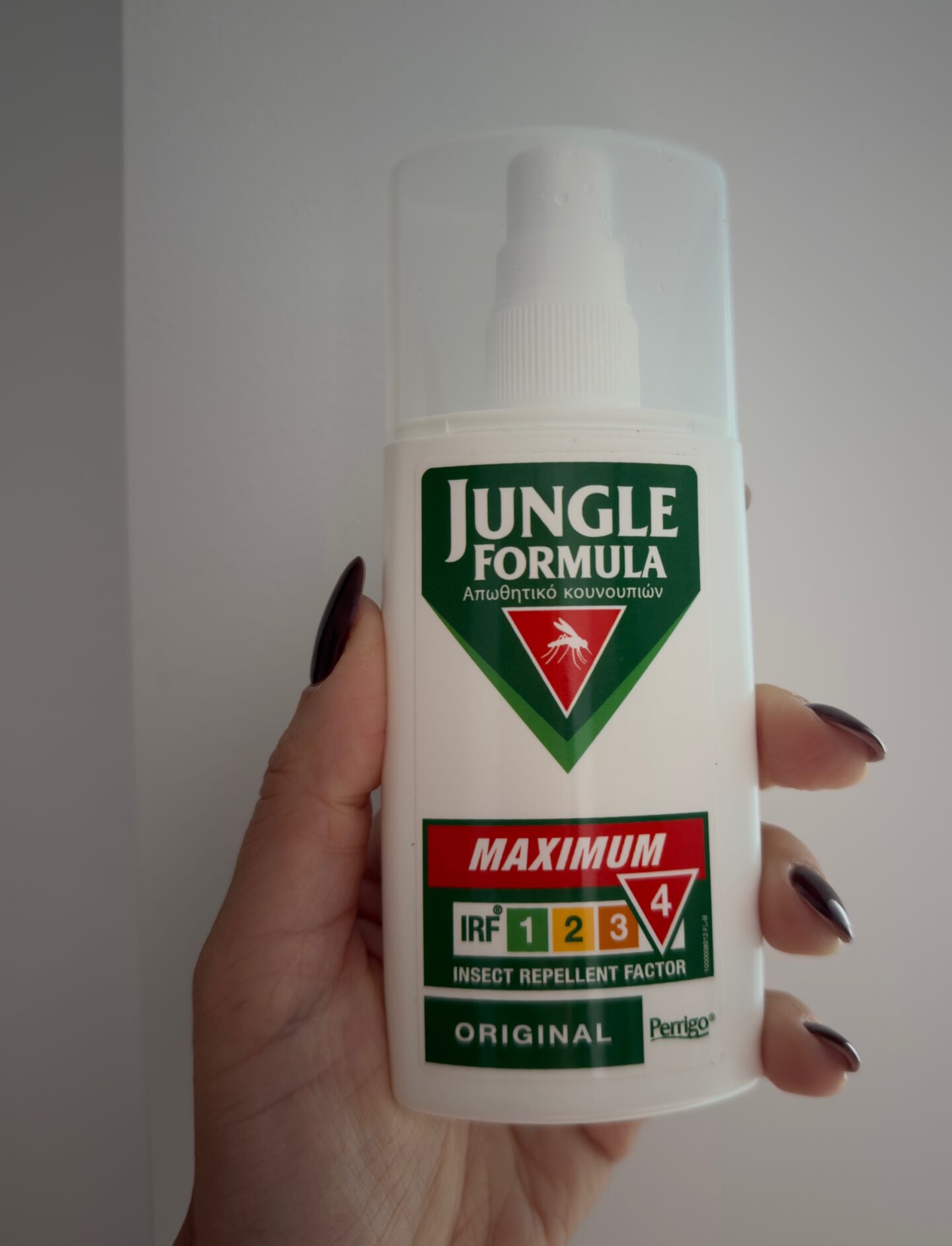
- STRONG MOSQUITO REPELLENT with DEET. Mosquitoes may not be a huge issue everywhere in South Africa, especially depending on the season and area, but insect repellent is always good to have. It is especially important if you are visiting malaria-risk areas or travelling during the warmer, wetter months.
- SUNSCREEN & LIP BALM: Even if the weather feels mild, the sun can be intense. Pack a high-SPF sunscreen and a lip balm with SPF, especially for long hours outdoors.
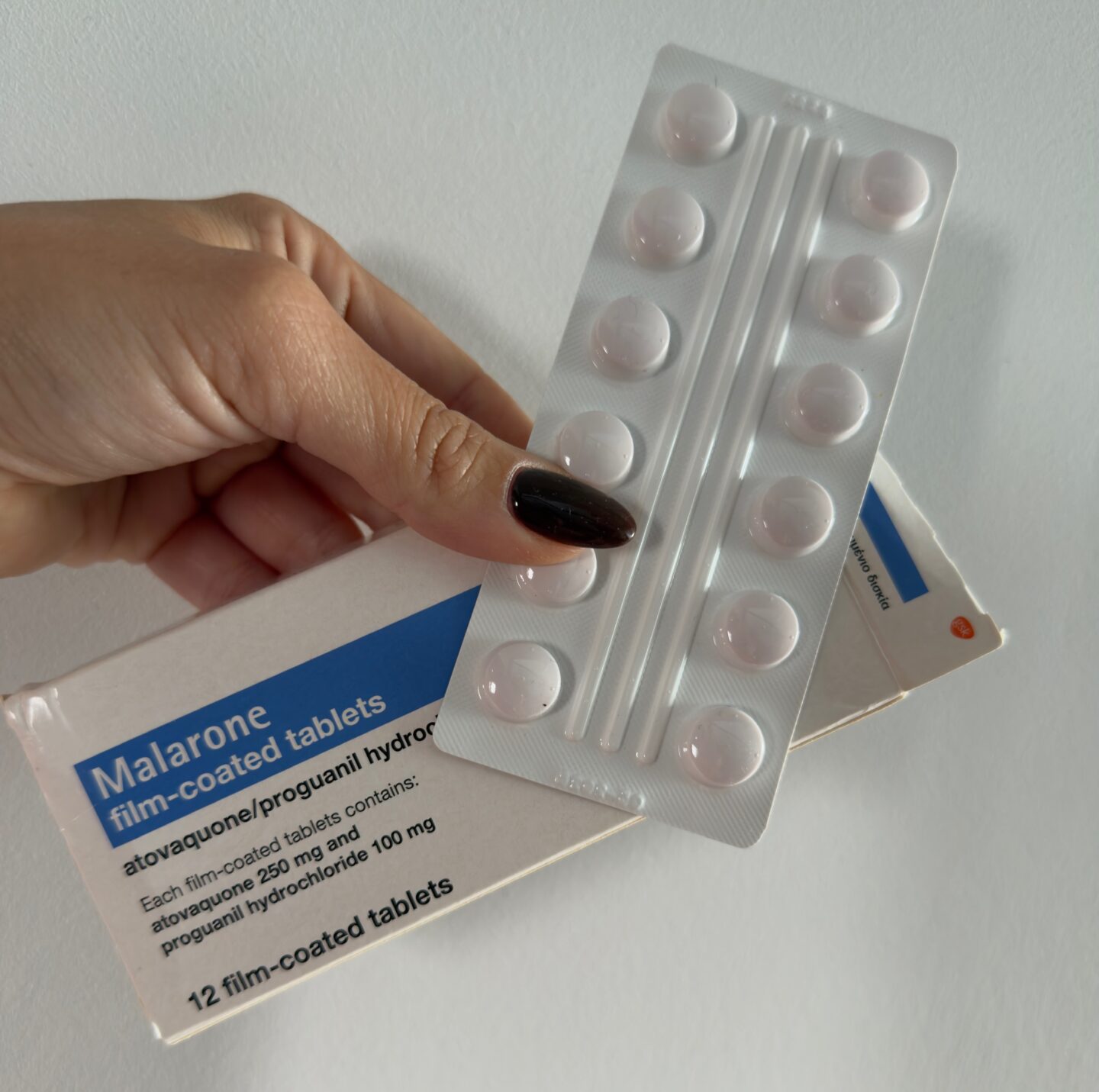
- MEDS: Bring any medication you need, plus a few basics like painkillers, stomach tablets, motion sickness tablets, plasters, after-bite cream and pills for diarrhea(immodium is a must!). Angel’s tip: In my previous trip in Tanzania I was advised from the Hellenic National Public Health Organization to take every day pills for Malaria. I started with 1 pill 1 day before my flight to Tanzania and continued for 7 days after my arrival back in Greece. In Kruger though, I didn’t take at the end as I was advised by the locals they don’t have. Ask in any case.
- HAND SANITIZER, TISSUES AND WET WIPES: A must-have for safaris! Toilets can be limited or basic in parks, so carrying hand sanitizer, tissues and wet wipes keeps you clean and comfortable throughout the day. Perfect for quick refreshes after game drives or before meals.
- A FLASHLIGHT: This is maybe useful for the night and your transfer between lodges or if there are power outages. I used the one on my phone.
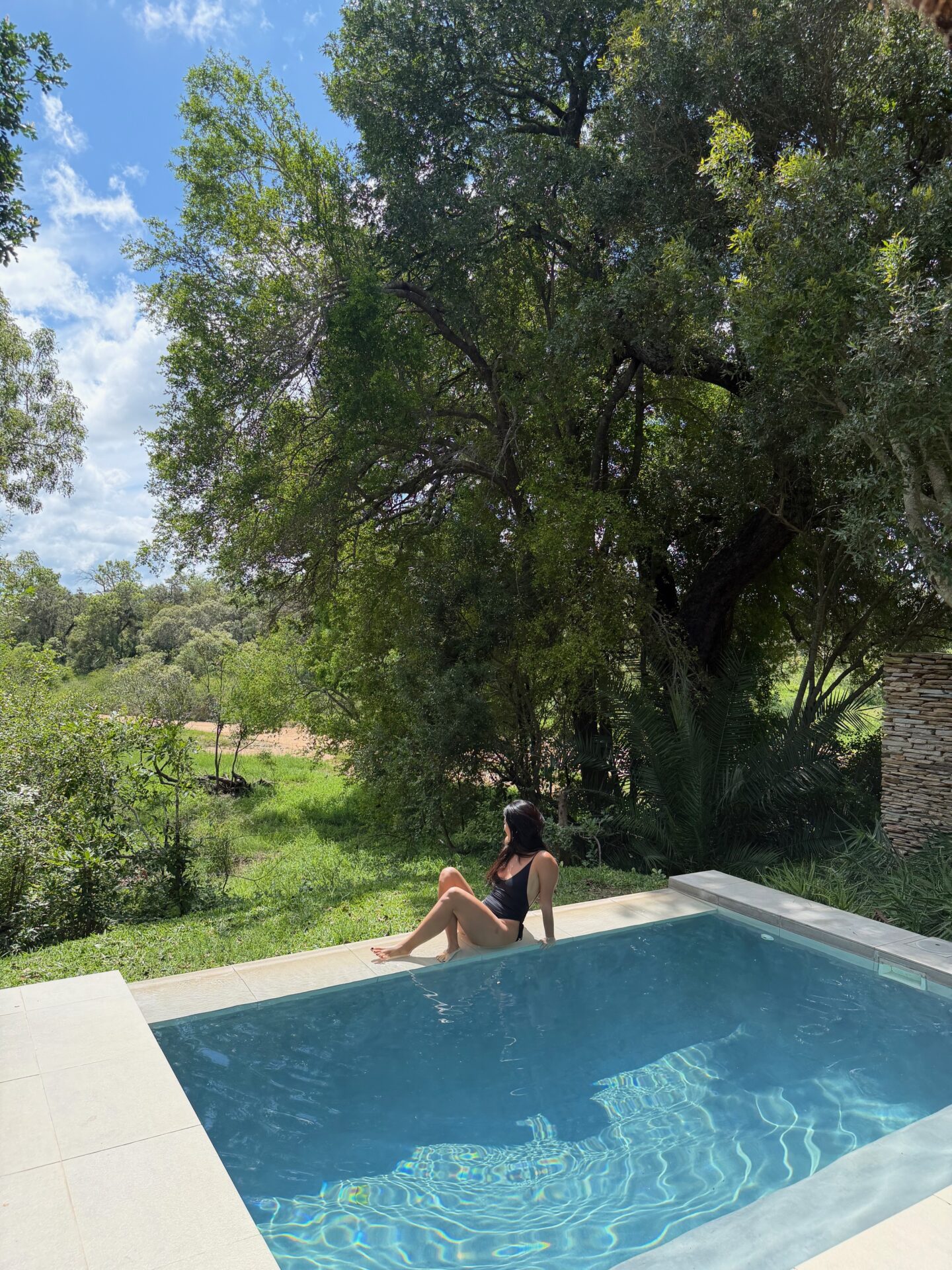
- SWIMSUIT . Many safari lodges have beautiful pools, so pack a swimsuit if you want to relax between game drives. Sandals as well or flip-flops.
- CLOTHES FOR THE NIGHT: No, I’m not talking about dressing up for a wild night with the animals, haha! I mean a clean outfit for dinner at the lodge. After a day on safari, your clothes are sometimes covered in dust and you’ll probably want a fresh set for the evening.
- SNACKS: Pack some if you’re doing full-day safaris (like I did in Tanzania’s Serengeti). For my South Africa safari at Thornybush, game drives were split into morning and afternoon with meals in before, during the safari and dinner after so I didn’t need any extra snacks.
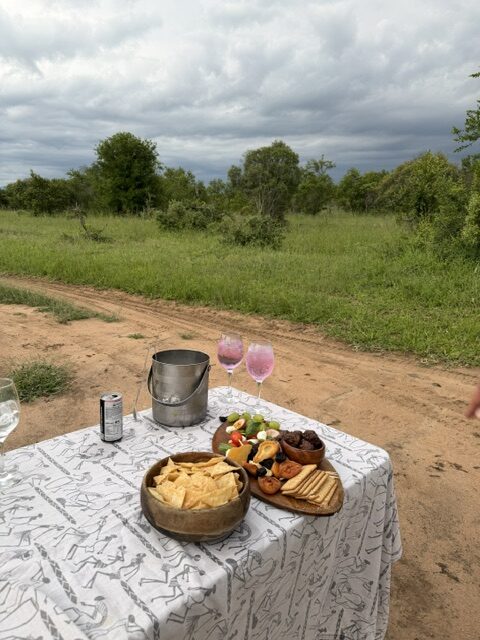
- TRAVEL ADAPTER: A travel adapter is a must-have for charging your devices at lodges and camps. Safari accommodations may have different plug types or limited outlets, so bring a universal adapter to keep your phone, camera and power bank ready for every adventure!
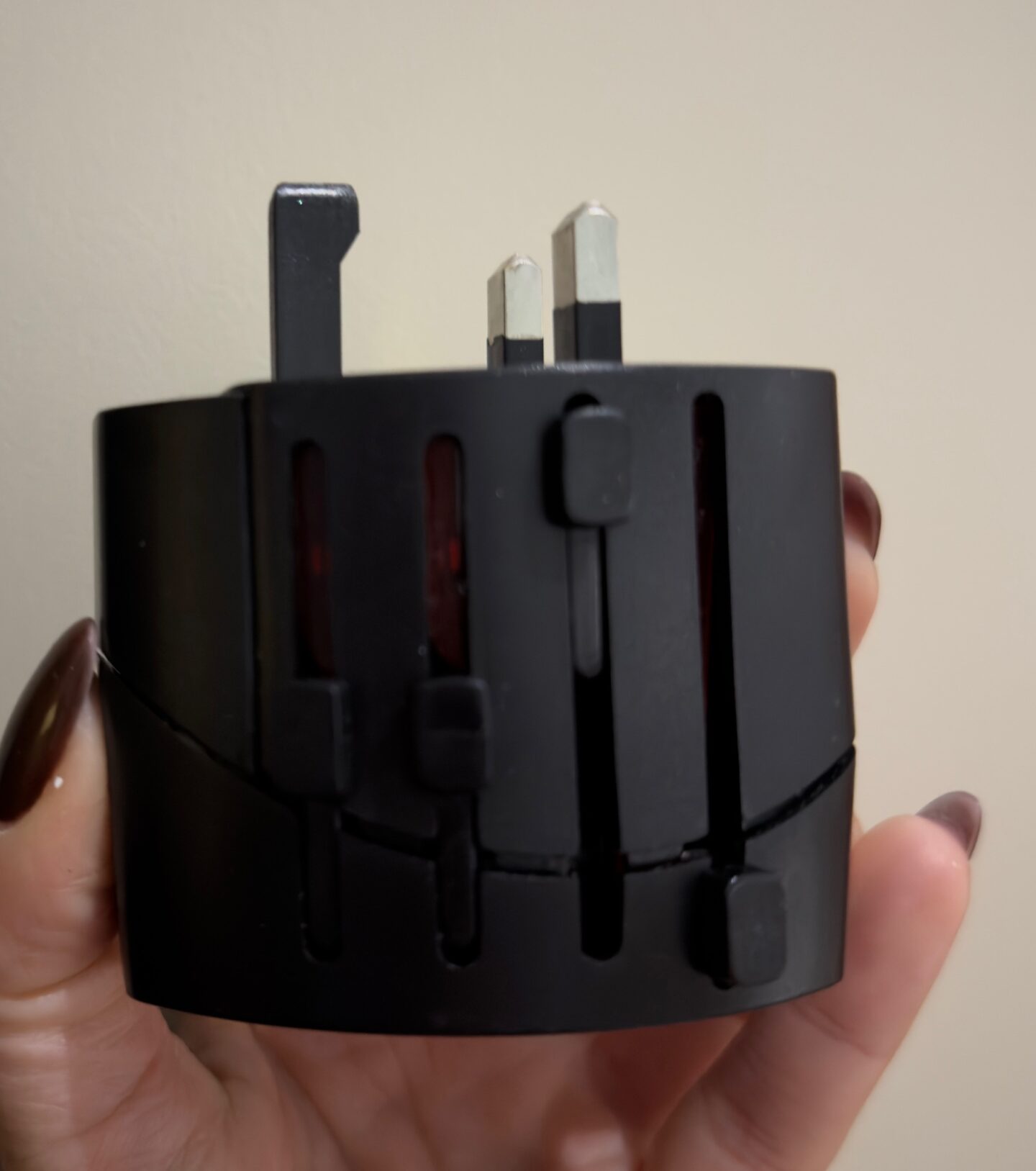
- POWER BANK: A must-have for safaris! Long game drives, limited electricity at some lodges and lots of photos/videos can quickly drain your devices. Bring a reliable power bank to keep your phone and camera charged throughout the day.
- SMALL BACKPACK: A small day bag is useful for game drives, so you can keep your camera, sunscreen, sunglasses, water bottle and extra layer with you.
- PASSPORT , TRAVEL INSURANCE AND IMPORTANT DOCUMENTS: Keep your passport, travel insurance details and copies of important documents easily accessible, especially if you are combining safari with other parts of South Africa.
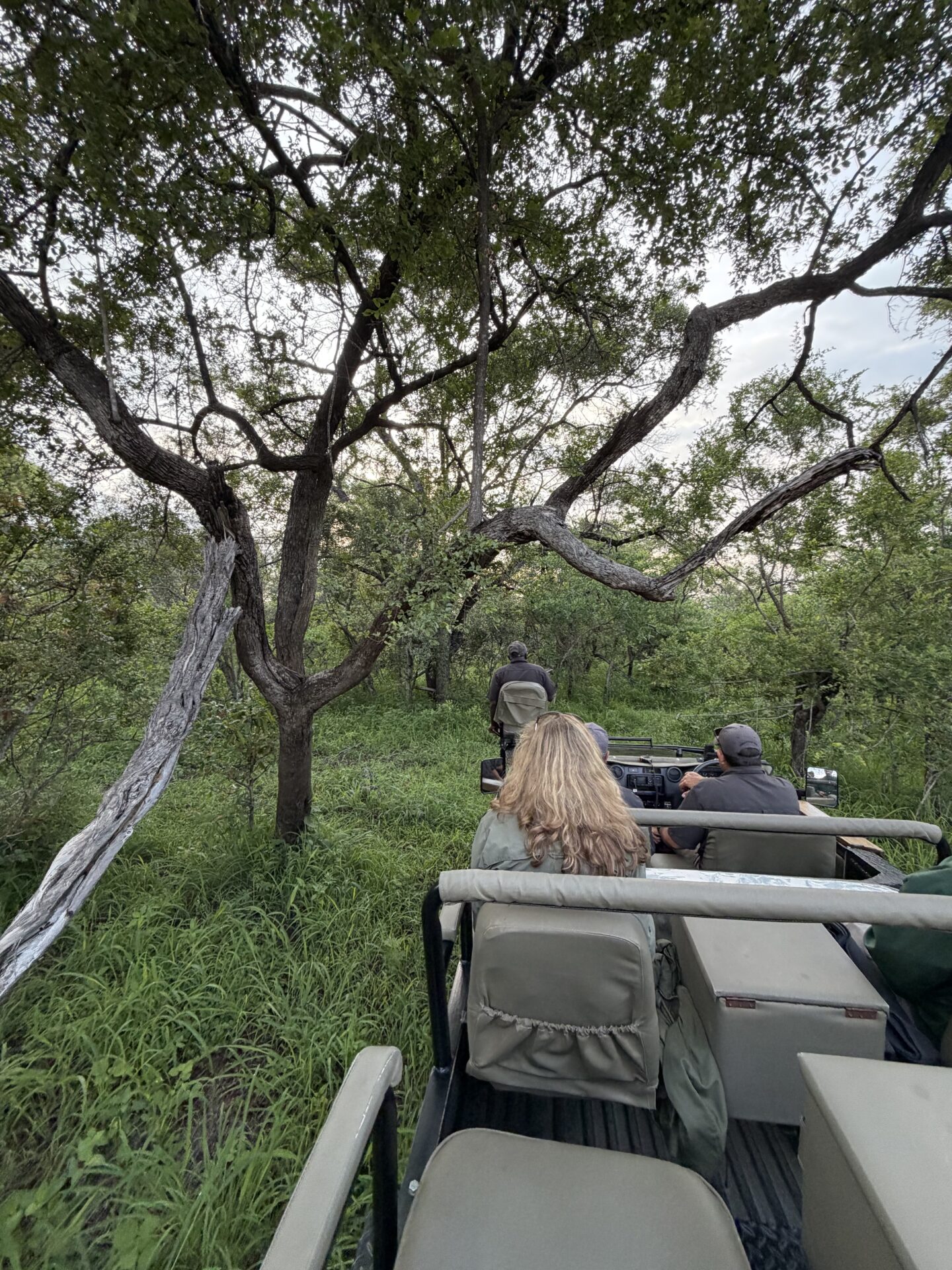
Pleased to hear your thoughts and tips if you went to a safari!
*For more Pictures check my posts and relevant highlight on Instagram*
IG: explorewith.angel

Thanks for reading my article! Feel free to comment or ask any question you may have :) xxx
Find me on: Instagram
