Going on safari in South Africa had been on my bucket list for years – but this wasn’t actually my first safari! A few years ago, I experienced the incredible wildlife of Tanzania, where I spent full days exploring the vast plains of the Serengeti. This time, however, I wanted something completely different: a luxury safari in one of South Africa’s private game reserves, where off-road game drives allow you to get unbelievably close to the animals.
I also wanted to combine this once-in-a-lifetime experience with a visit to Cape Town – a city I had heard so much about and one that completely lived up to the hype. I honestly believe that Cape Town is the most beautiful city on earth! The combination of unforgettable wildlife encounters and a few days exploring Cape Town made this one of the best trips I’ve ever taken.
Check my other article for CAPE TOWN here.
Check my other article for MUST HAVE things for your safari in South Africa.
If you’re planning your own safari in South Africa, here’s everything I learned – from the best time to visit and how to choose between Kruger National Park and a private game reserve, to what to pack, what to expect and whether the experience is really worth it.
If you’re planning your first safari in South Africa, one of the biggest questions you’ll have is where to stay, when to visit and whether to choose Kruger National Park or a private game reserve.
After spending a few unforgettable days at Thornybush Private Game Reserve, part of the Greater Kruger ecosystem, here’s everything I learned.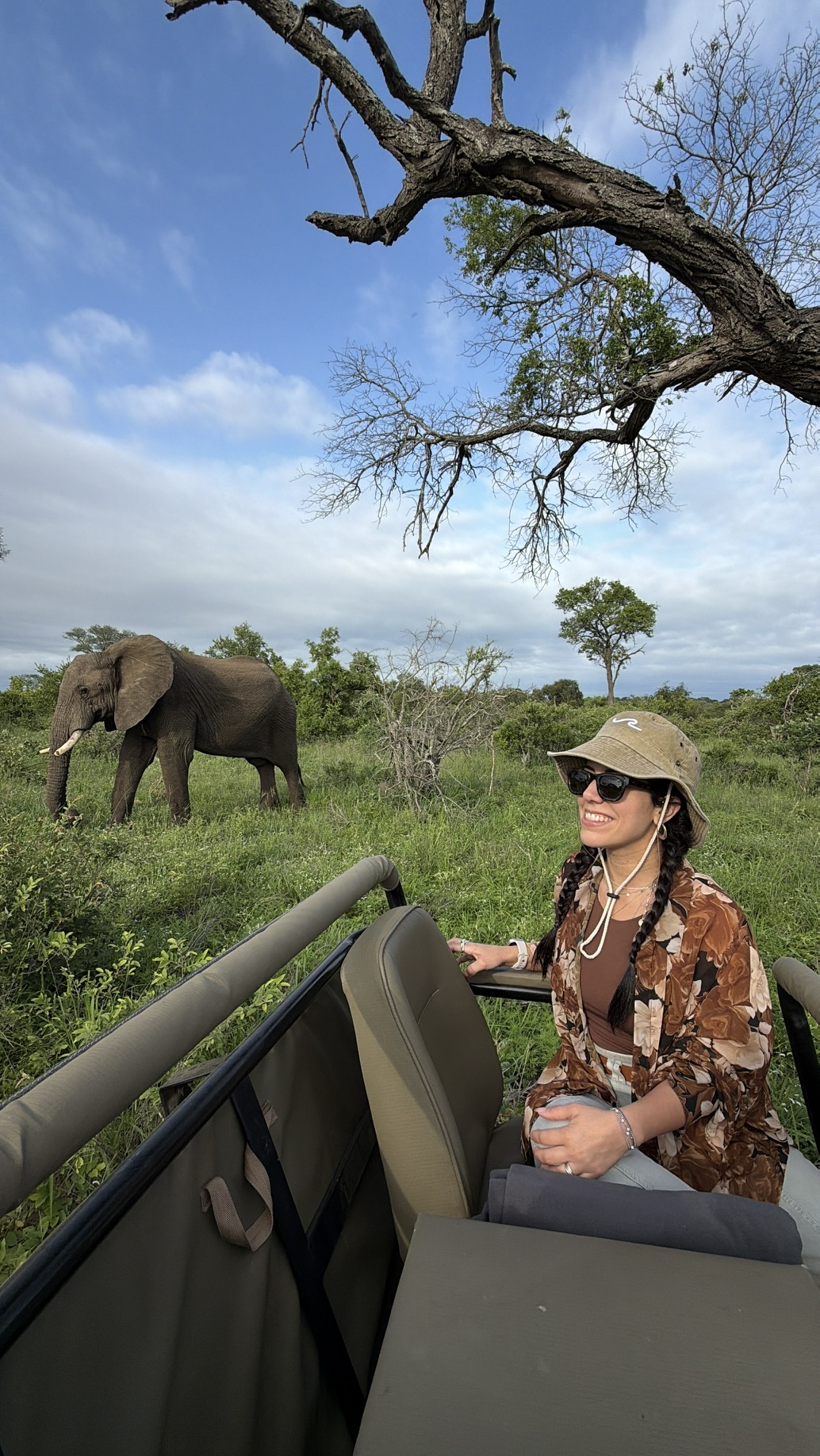
When is the best time to visit Kruger National Park?
One of the questions I get asked most often is about the best season for a safari.
- May to September (Winter & Dry Season)
This is generally considered the best time for wildlife viewing. During South Africa’s winter months, rainfall is minimal and the vegetation becomes much thinner. Trees lose many of their leaves, making it much easier to spot animals hiding in the bush. Since water becomes scarce, wildlife gathers around rivers, dams and waterholes, giving you excellent opportunities to see multiple species during the same game drive! Temperatures are pleasant during the day but mornings and evenings can be surprisingly cold, especially in open safari vehicles.
- October to January (Summer & Rainy Season)
Summer offers a completely different safari experience.
The landscape becomes lush and beautifully green, dramatic thunderstorms create incredible photography opportunities and many animals give birth during this period, meaning you’ll often see adorable newborns. Wildlife is not less abundant – there are just as many animals. However, spotting them becomes more challenging because the thicker vegetation provides excellent cover.
If your priority is wildlife photography and frequent sightings, winter is usually the better choice. If you love green landscapes, dramatic skies and baby animals, summer can be equally rewarding!!
Why I visited South Africa in December
Most safari guides recommend visiting Kruger during the dry winter months (May to September), when wildlife is generally easier to spot. However, I deliberately chose to visit in late December, over Christmas.
Yes, it was a bit of a gamble.
December falls within South Africa’s summer and rainy season, meaning there’s a higher chance of rain and the thicker vegetation can make wildlife sightings a little more challenging.
So why did I choose that time? Because I wasn’t only travelling for the safari – I also wanted to spend several days exploring Cape Town.
Cape Town is at its absolute best during the Southern Hemisphere summer (roughly December to February), with warm weather, long sunny days and perfect conditions for beaches, hiking and exploring the city. If I had travelled during the ideal safari season, Cape Town would have been in the middle of winter.
Since I wanted to experience both destinations on the same trip, I had to find a balance.
Angel’s tip: Looking back, I have zero regrets. We had fantastic weather, incredible wildlife sightings (yes, the rare rhino as well!!) and I was able to enjoy Cape Town in beautiful summer conditions. As an added bonus, despite travelling over the Christmas holidays, the safari itself never felt crowded thanks to the limited number of vehicles allowed inside the private reserve!!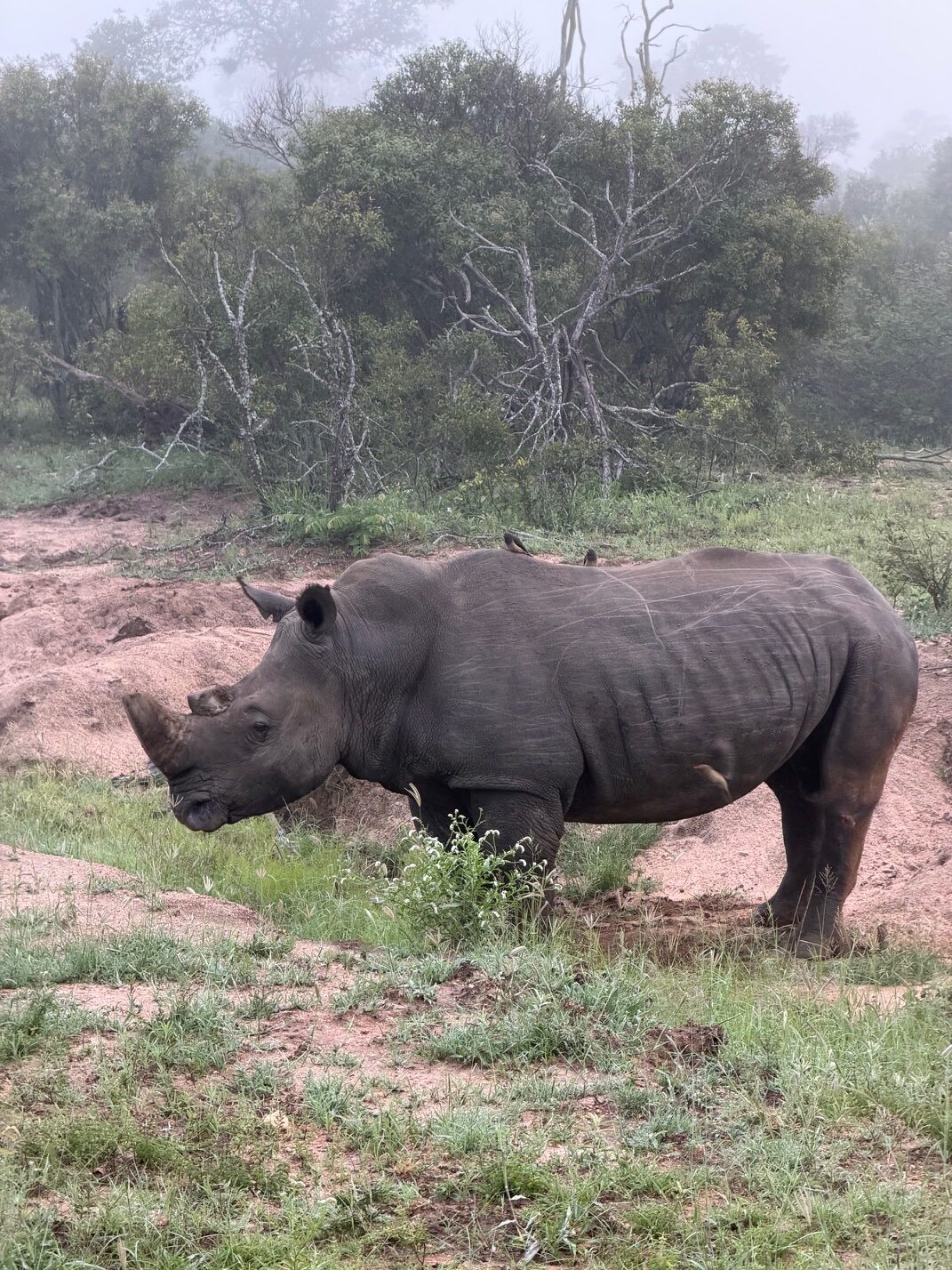
Kruger National Park VS Private Game Reserve
One of the biggest decisions you’ll need to make is choosing between the public Kruger National Park and one of the private reserves that form part of the Greater Kruger ecosystem.
Option 1: Kruger National Park
Kruger National Park is one of Africa’s largest and most famous national parks.
Visitors can either explore the park with their own rental car or join organized game drives with professional guides.
Advantages
- Self-drive safaris are possible, giving you complete flexibility.
- More budget-friendly than private reserves.
- Huge variety of wildlife.
- Excellent road network and facilities.
Things to know
- Off-road driving is not allowed.
- Game drives are usually booked separately.
- Meals and accommodation are typically paid separately.
- Some popular sightings may attract several vehicles.
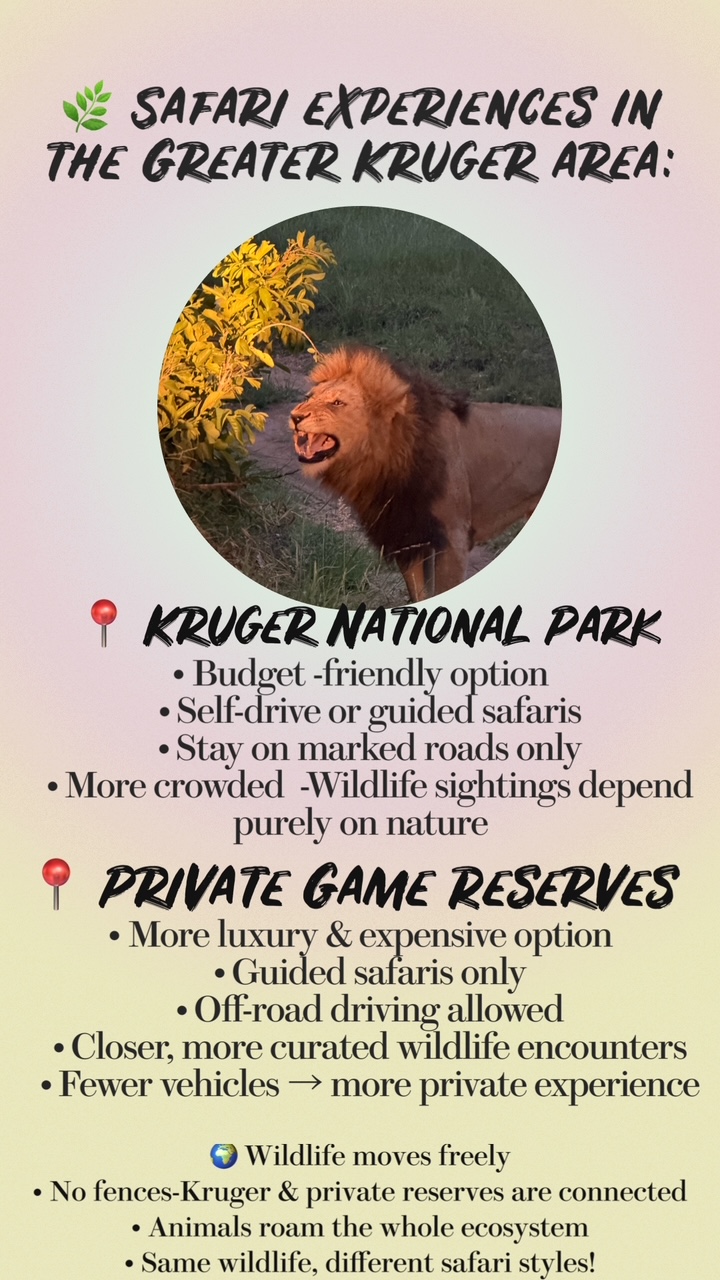
Option 2: Private Game Reserves (Greater Kruger)
Private reserves share unfenced borders with Kruger National Park, allowing animals to roam freely between them.
Some of the best-known reserves include:
- Thornybush
- Sabi Sands
- Timbavati
- Manyeleti
- Klaserie
- Balule
This is the option I chose.Why?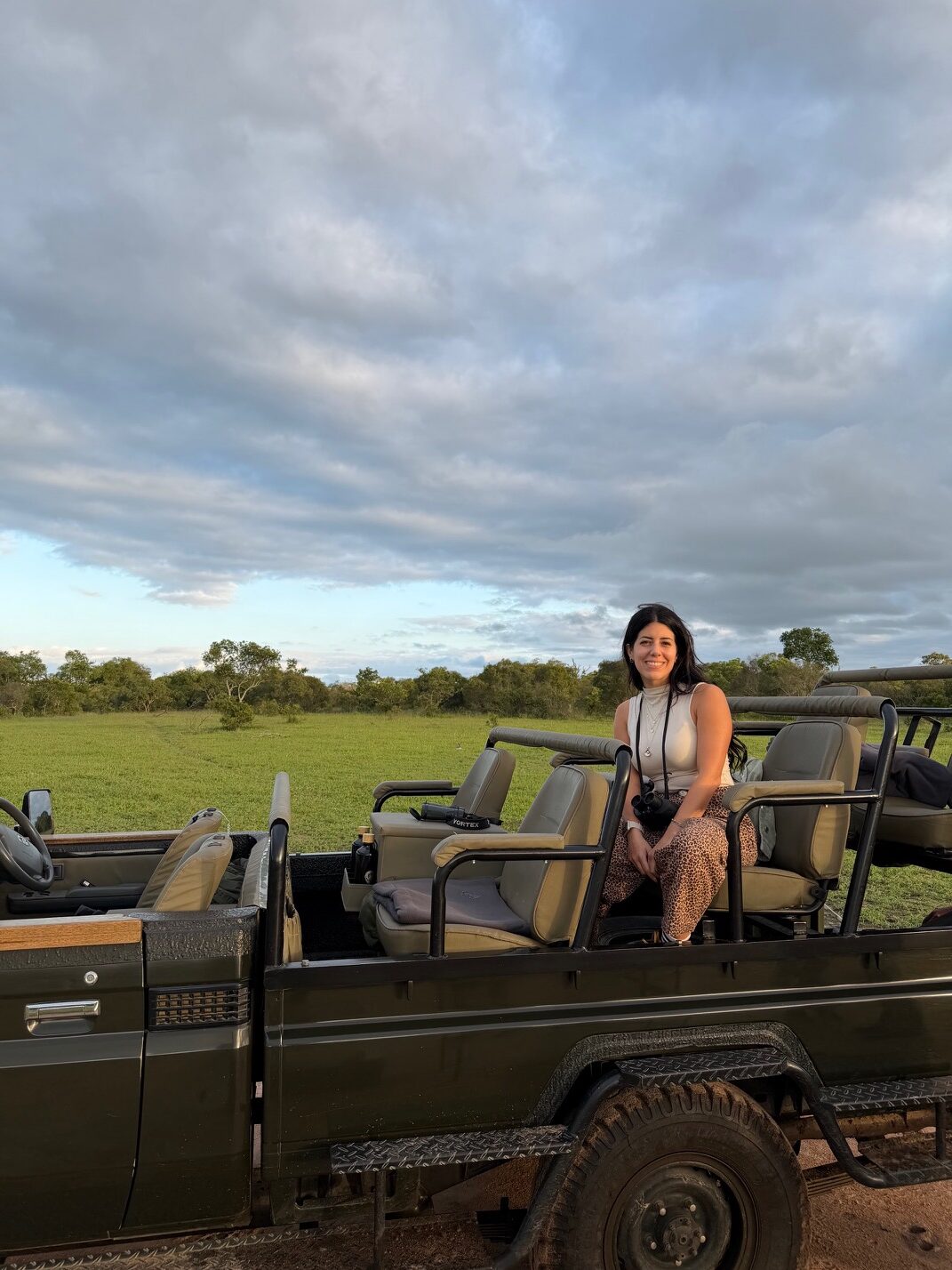
Private reserves offer a much more exclusive and off-road safari experience. Every game drive is led by experienced rangers together with professional trackers who communicate with each other throughout the reserve to locate wildlife. One of the biggest advantages is that safari vehicles are allowed to leave the main roads and drive off-road whenever it’s safe to do so. This means you can often get incredibly close to animals while respecting strict conservation rules. Because access is limited to lodge guests, there are also far fewer vehicles around each sighting, making the experience feel much more personal.
Although private reserves are more expensive, most lodges include almost everything in the price:
* Morning and afternoon game drives
* Luxury accommodation
* Three delicious meals per day
* Snacks between drives
* Drinks and beverages
* Experienced guides and trackers
For me, it was absolutely worth it!!
Why I chose Thornybush
After comparing different options, I decided to stay at Thornybush Private Game Reserve. My goal wasn’t simply to see animals – I wanted the complete luxury safari experience, including off-road driving, expert trackers and a smaller number of vehicles at each sighting. It turned out to be one of the best travel decisions I’ve ever made.
The wildlife encounters were unforgettable, the staff were exceptional and every single game drive felt different!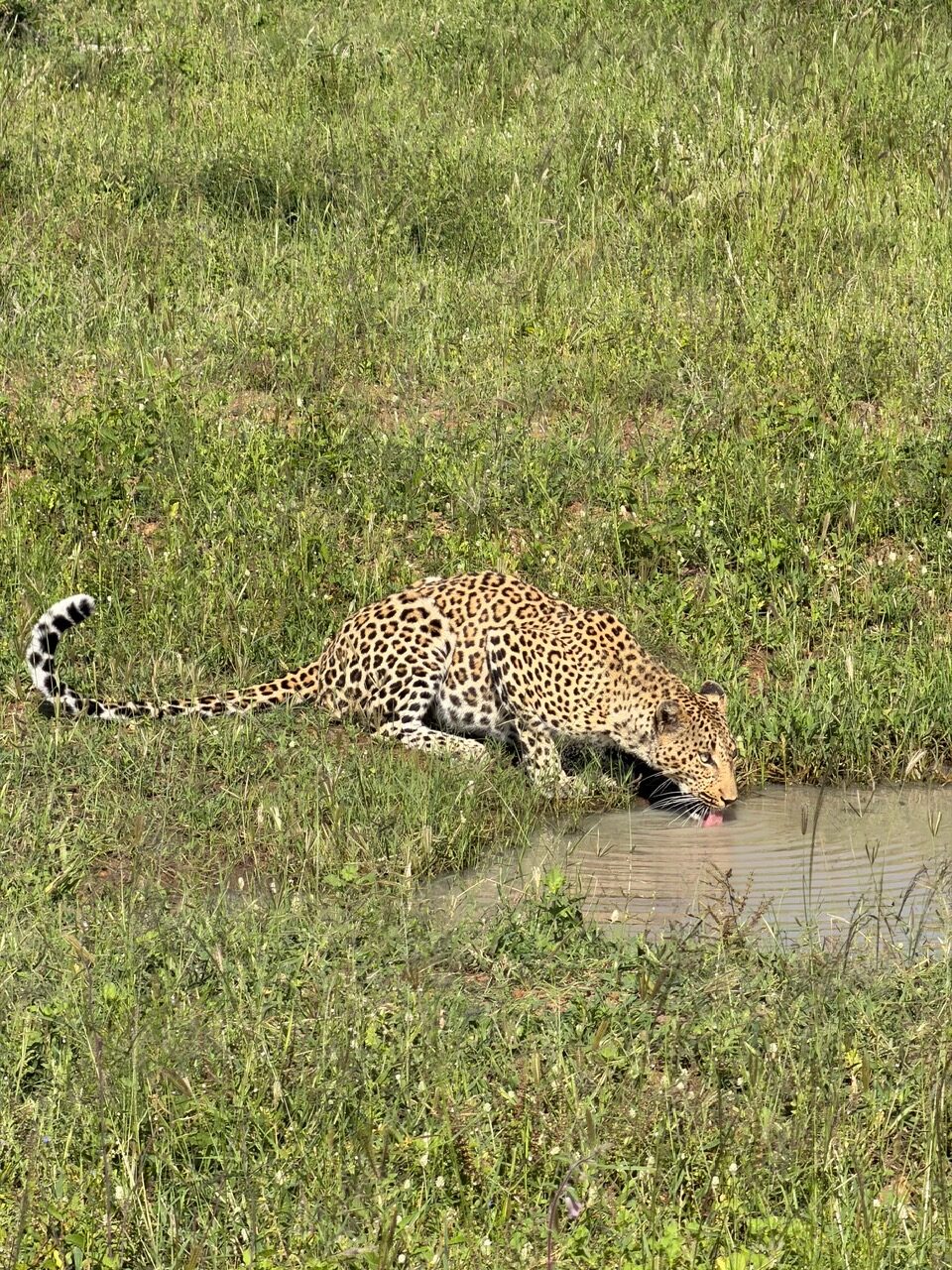
How to get to Kruger
Getting to Kruger National Park is much easier than many people think.
I flew from Athens to Johannesburg, then took a short domestic flight to Hoedspruit Airport, one of the main gateways to the Greater Kruger area.
Depending on where you’re staying, you may also fly into:
- Skukuza Airport, located inside Kruger National Park and ideal for the southern part of the park and nearby private reserves such as Sabi Sands.
- Kruger Mpumalanga International Airport (Nelspruit), a larger regional airport with more domestic connections.
Most safari lodges can arrange airport transfers directly to the property.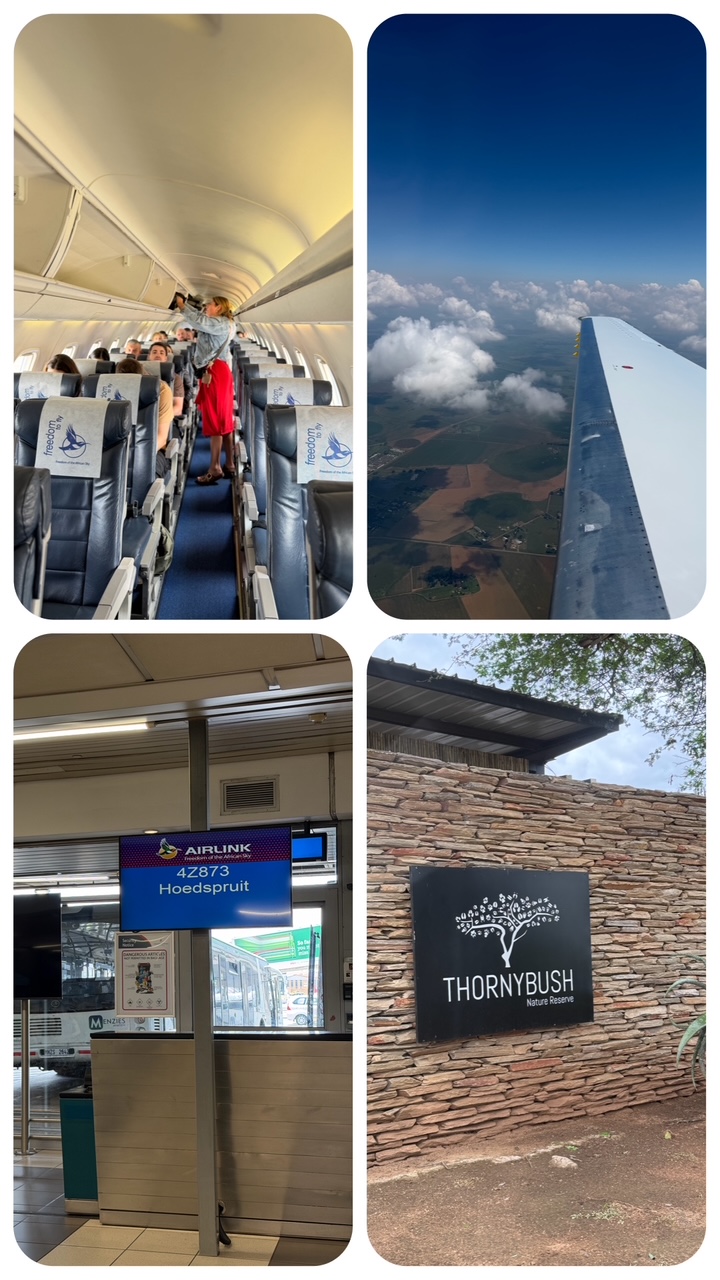
Where did I stay?
My accommodation: Shumbalala Game Lodge
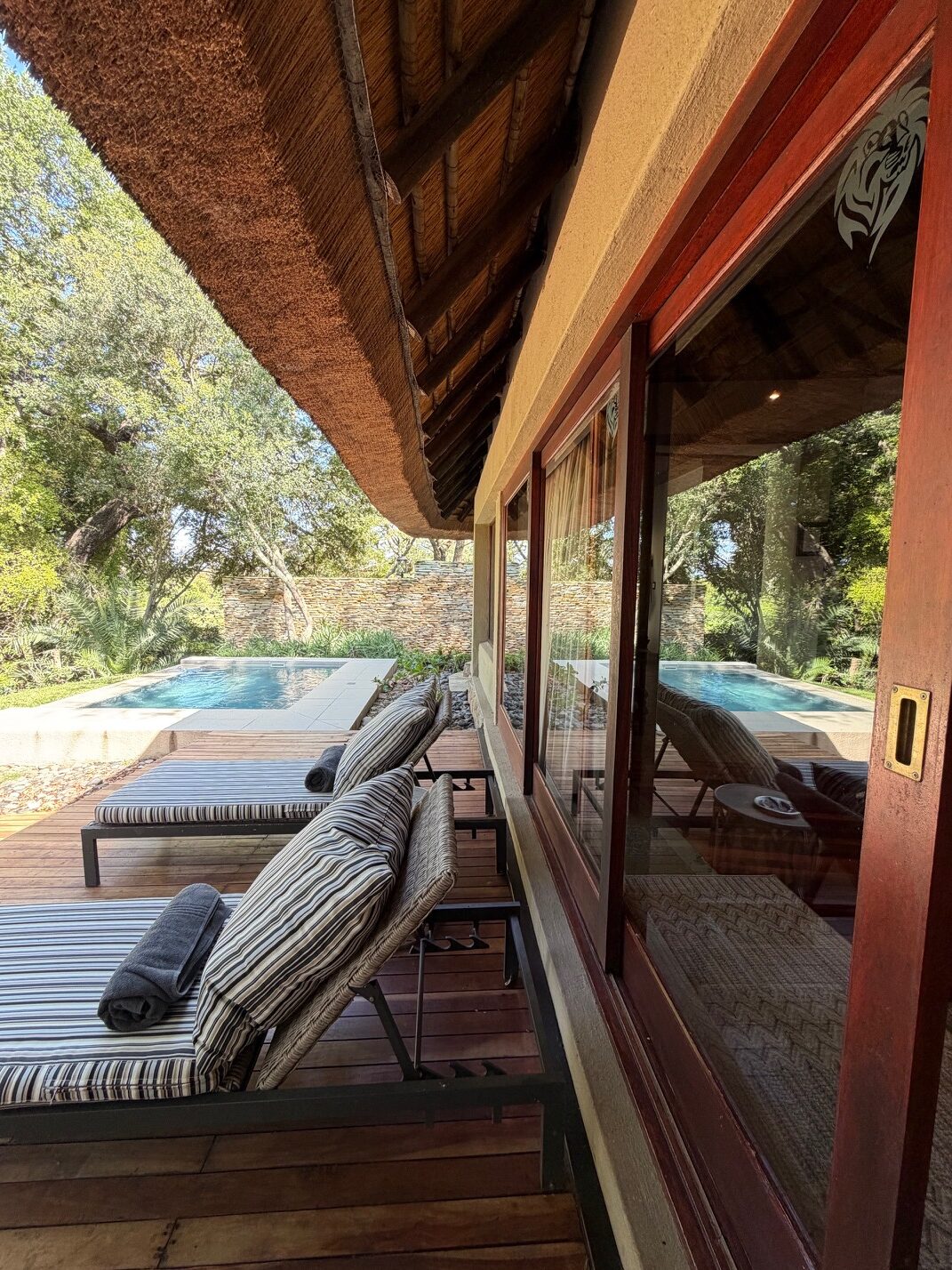
I stayed at Shumbalala Game Lodge and it was HONESTLY one of the most beautiful lodges I’ve ever experienced. The rooms were stunning, the food was outstanding and the hospitality was exceptional!! Between morning and afternoon safaris, we had plenty of time to relax by the pool, enjoy the peaceful surroundings and watch wildlife passing through the lodge.
Everything was incredibly well organized, making the entire experience completely stress-free. I will come back for sure.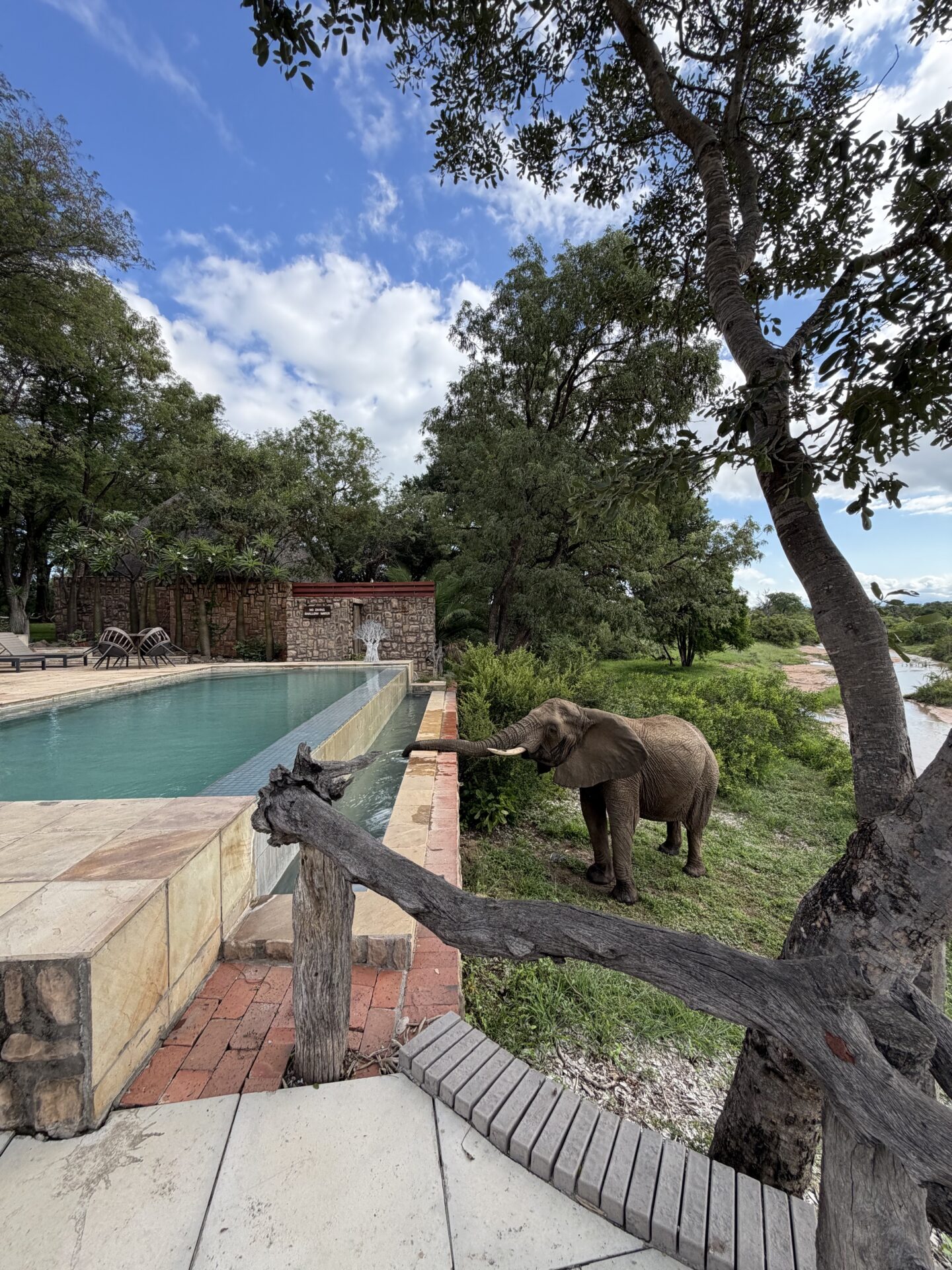
How I booked my safari
I booked everything through African Safari Group, who helped me compare different lodges and safari experiences.
They arranged my accommodation, airport transfers and all the logistics, making the planning process incredibly easy. If it’s your first safari, I highly recommend using a specialist who knows the different reserves and lodges and can help match your budget and travel style.
Angel’s tip: If you’ve already found a lodge you love on Booking.com or another booking platform, it’s always worth comparing prices and booking whichever option offers the best value. In my case, however, the quote I received through African Safari Group was significantly better than the price I found online for the exact same lodge. On top of that, they arranged everything for me, including my accommodation, airport transfers and safari logistics, making the whole process completely stress-free. My advice is simple: compare both options before booking. Sometimes booking directly or through a booking platform may be the better deal, while other times a local safari specialist can offer better rates or added services. It only takes a few minutes to compare and you could save a significant amount of money!!
A typical day on safari
Every lodge has its own schedule, but this is what a typical day looked like during my stay at Shumbalala Game Lodge:
5:00 AM – Wake-up call
An early start is part of the safari experience, as sunrise is one of the best times to spot wildlife.
Morning game drive (around 3 hours)
We headed out before sunrise to search for wildlife while many animals were still active.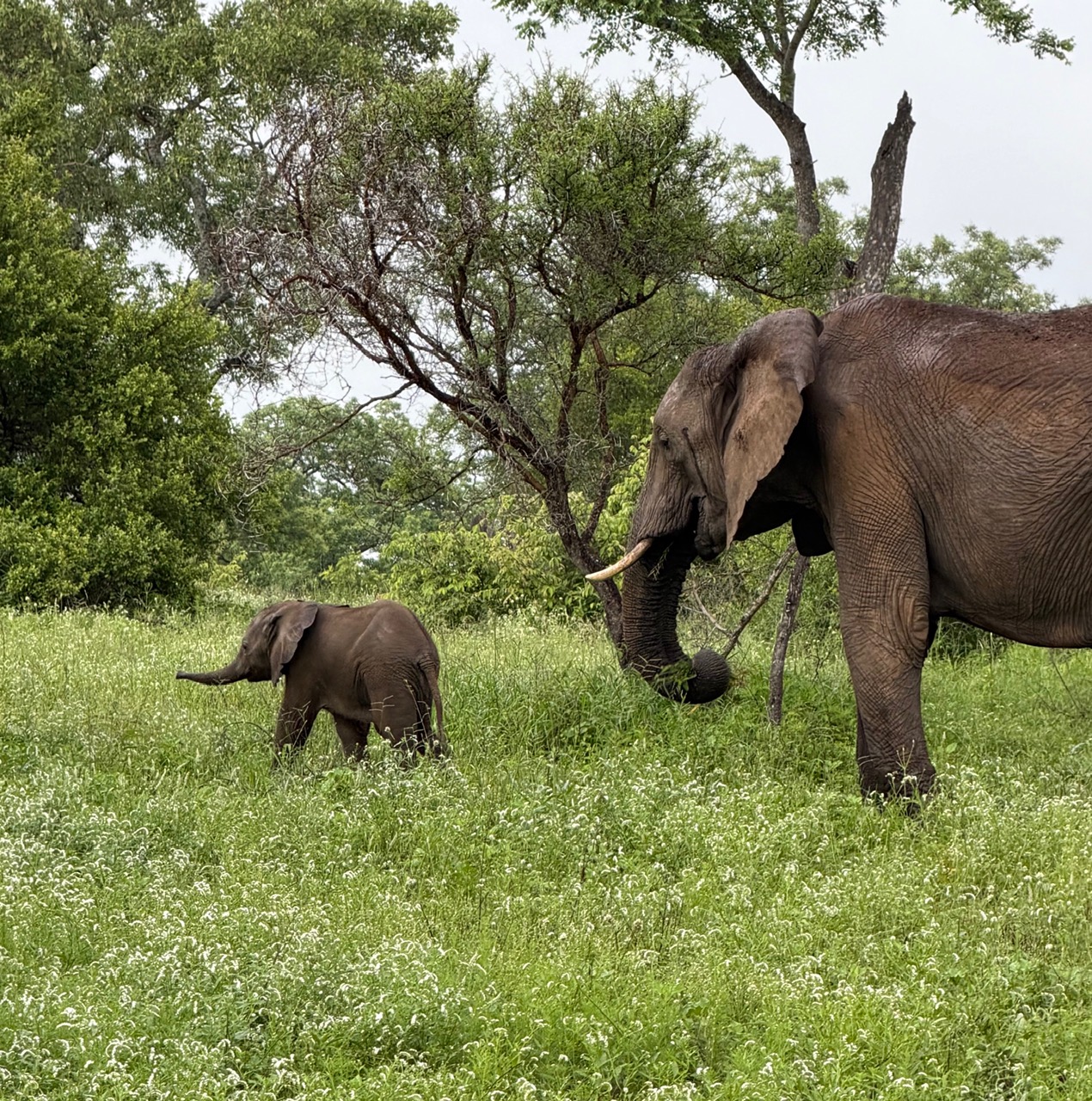
Morning coffee stop
During the drive, we stopped in the middle of the bush for coffee, tea, hot chocolate, biscuits and a short break before continuing the safari.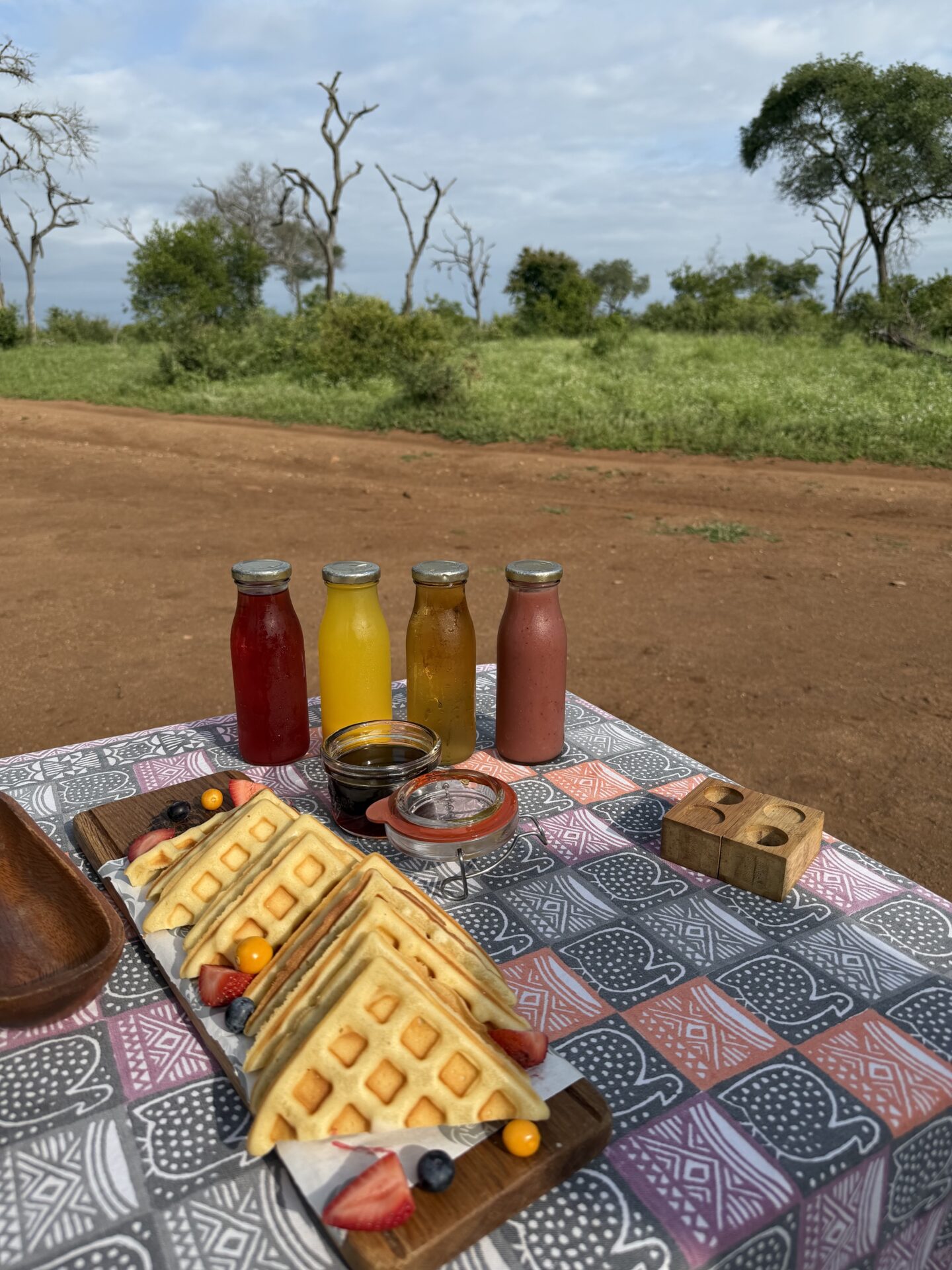
Breakfast at the lodge
After returning from the safari, a generous breakfast was waiting for us.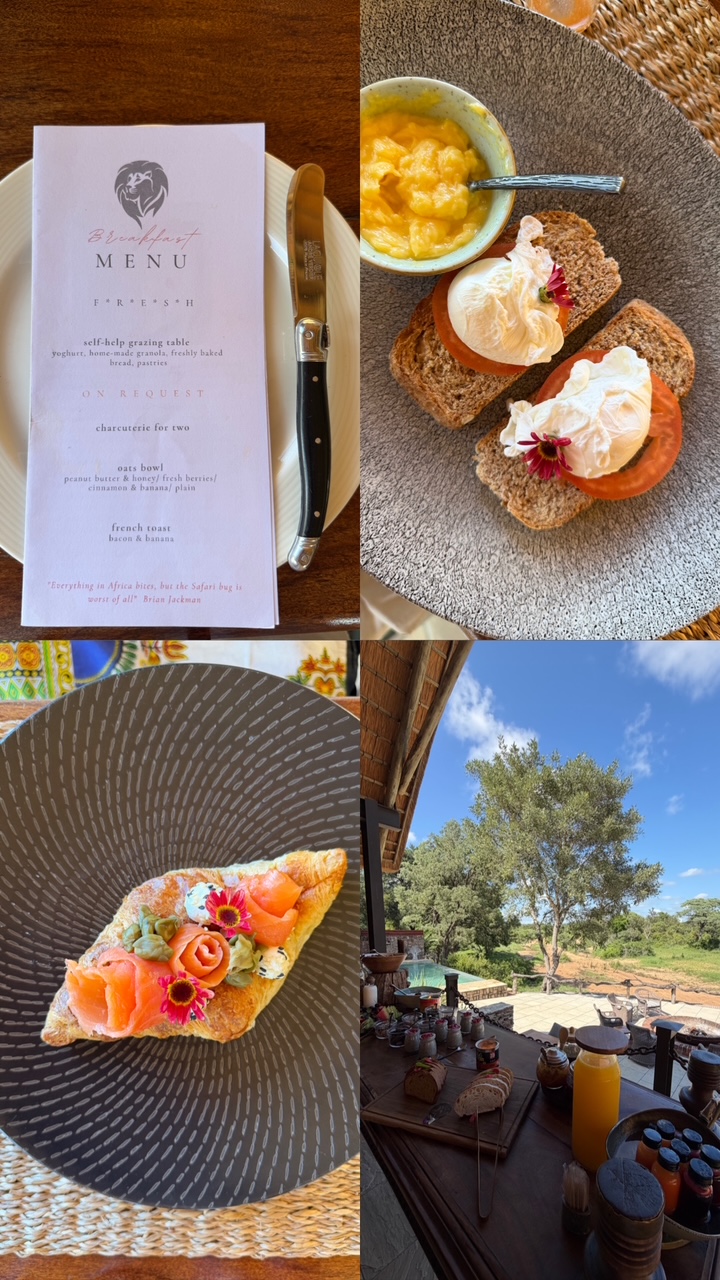
Free time to relax
The middle of the day was perfect for enjoying the lodge. Some guests took a nap, while I spent most of my time by the pool. Even there, the safari never really stopped—animals occasionally wandered near the lodge, so I often grabbed my binoculars to see what I could spot!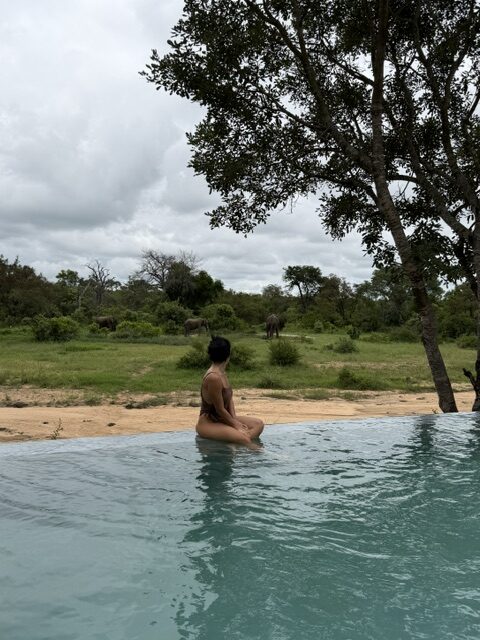
Lunch
Every meal was freshly prepared and absolutely delicious.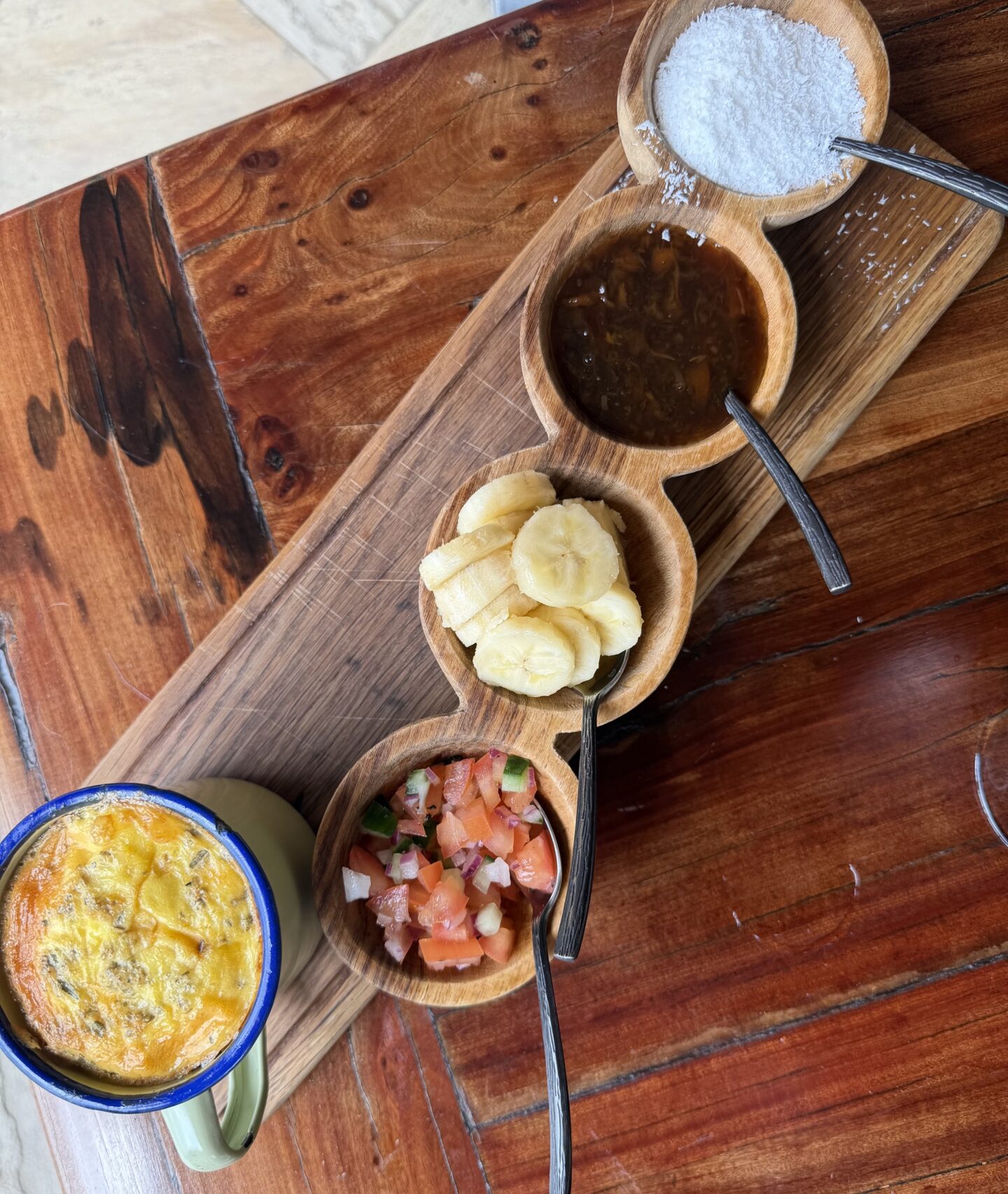
Afternoon game drive (around 3 hours)
We headed out again in the late afternoon, staying out until after sunset when many predators become active.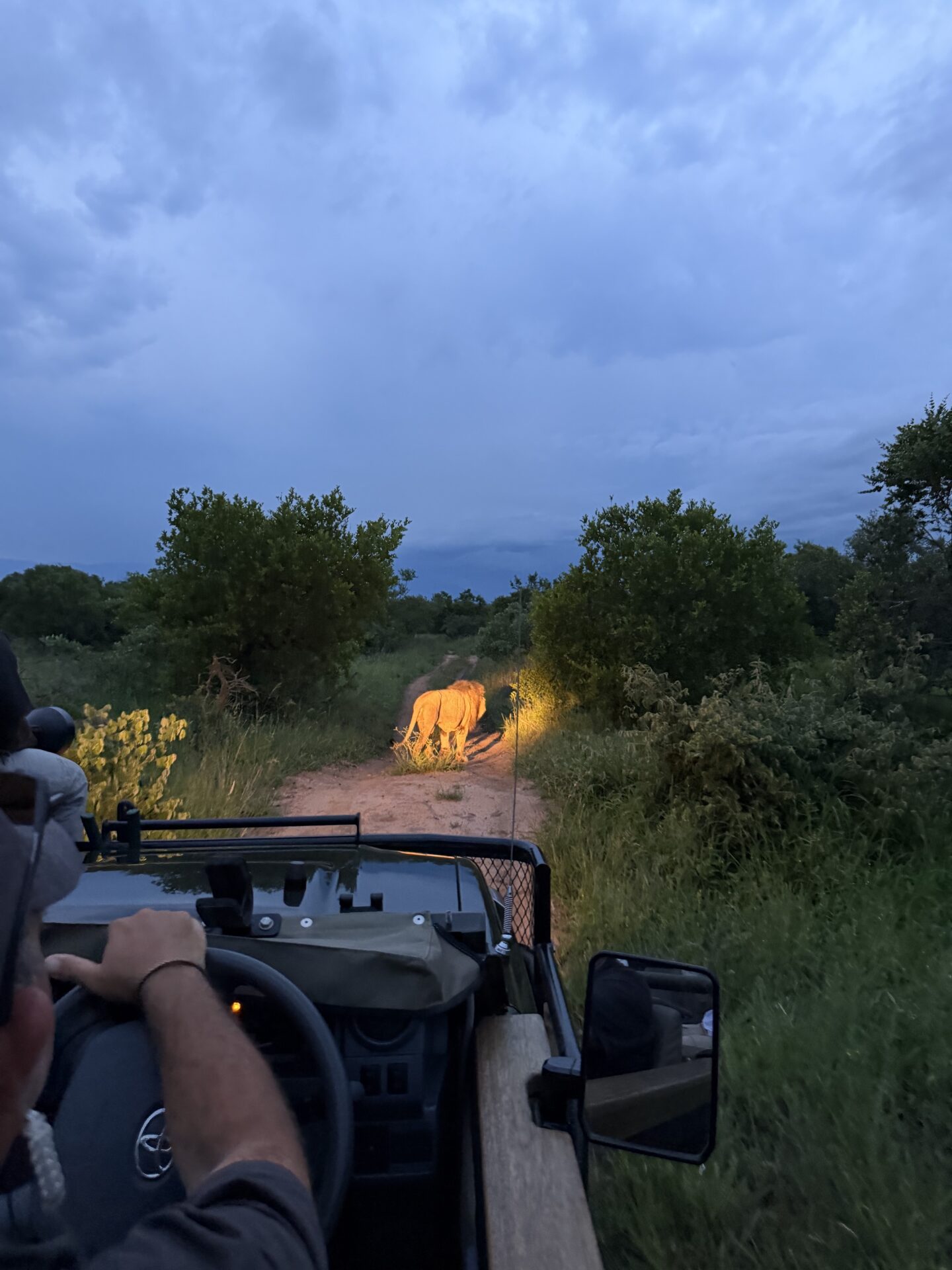
Sundowner stop
One of my favourite moments! During every game drive, we stopped in the middle of the African bush for drinks and snacks. Morning drives included coffee, tea and light bites, while afternoon drives came with wine, beers, spirits, soft drinks and snacks as we watched the sunset.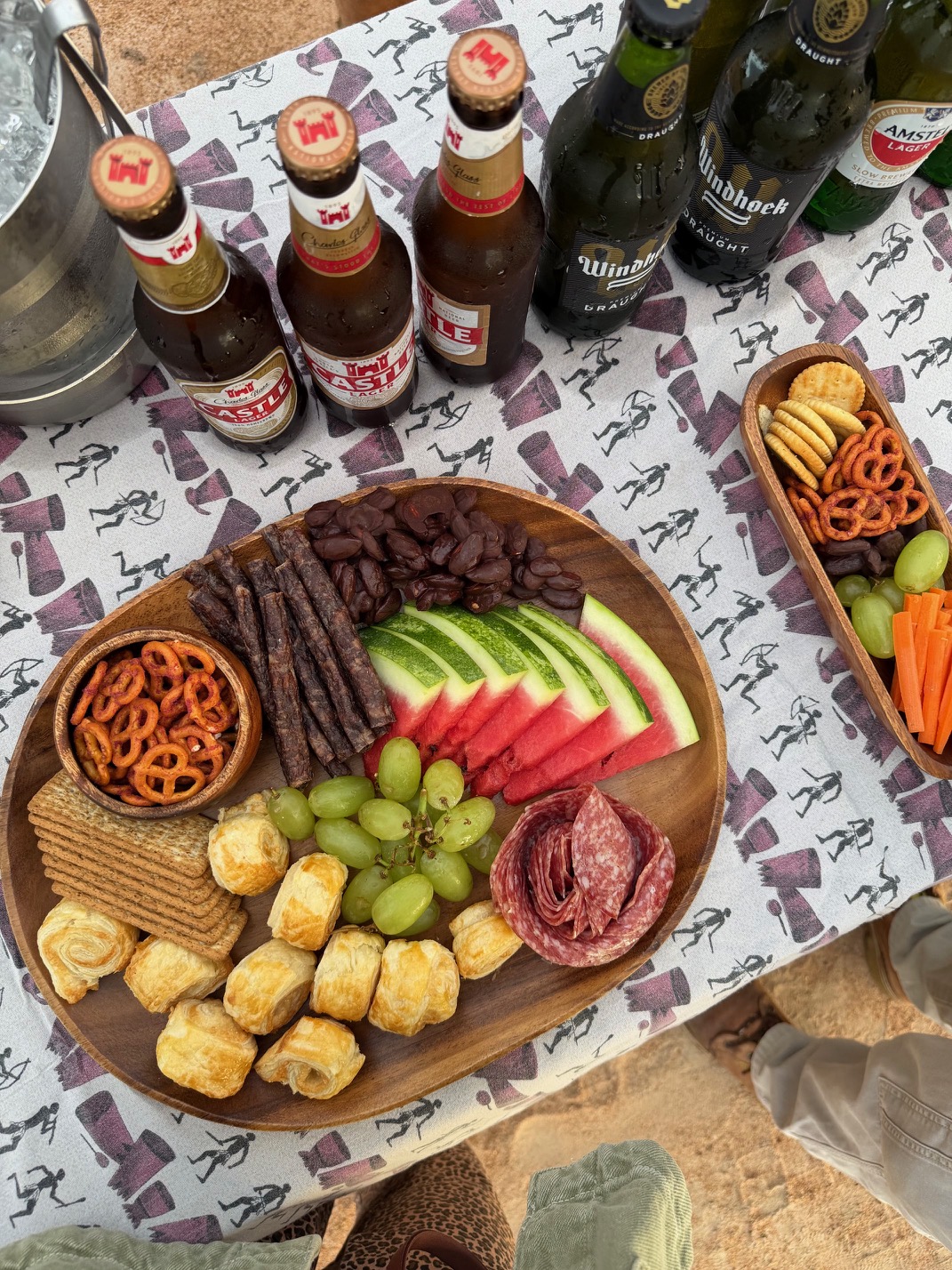
Dinner
Every evening felt unique. One night we enjoyed a traditional South African braai, another night a Christmas dinner, another a buffet and another evening we dined in the lodge’s beautiful wine cellar.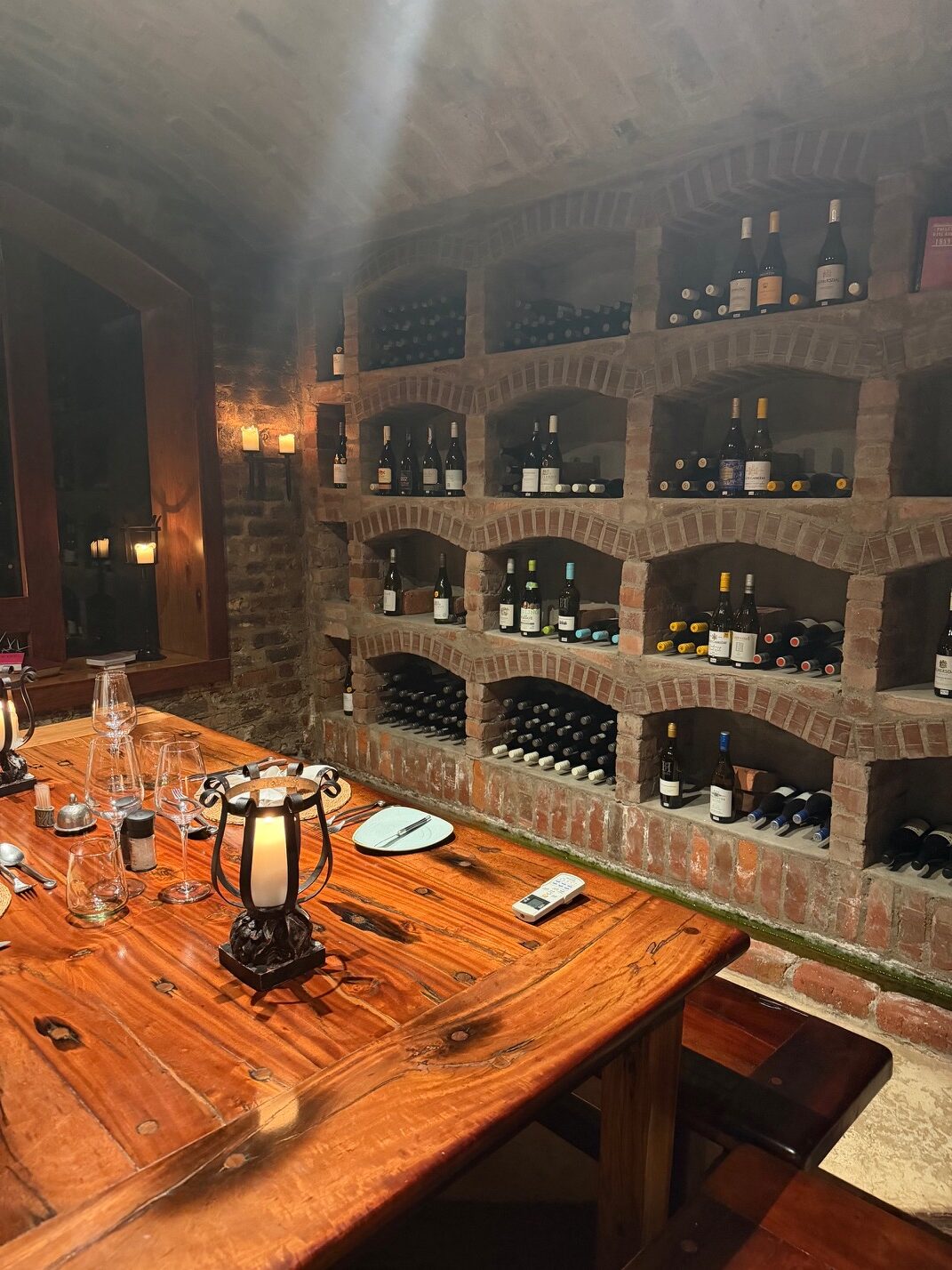
Little touches that made a big difference
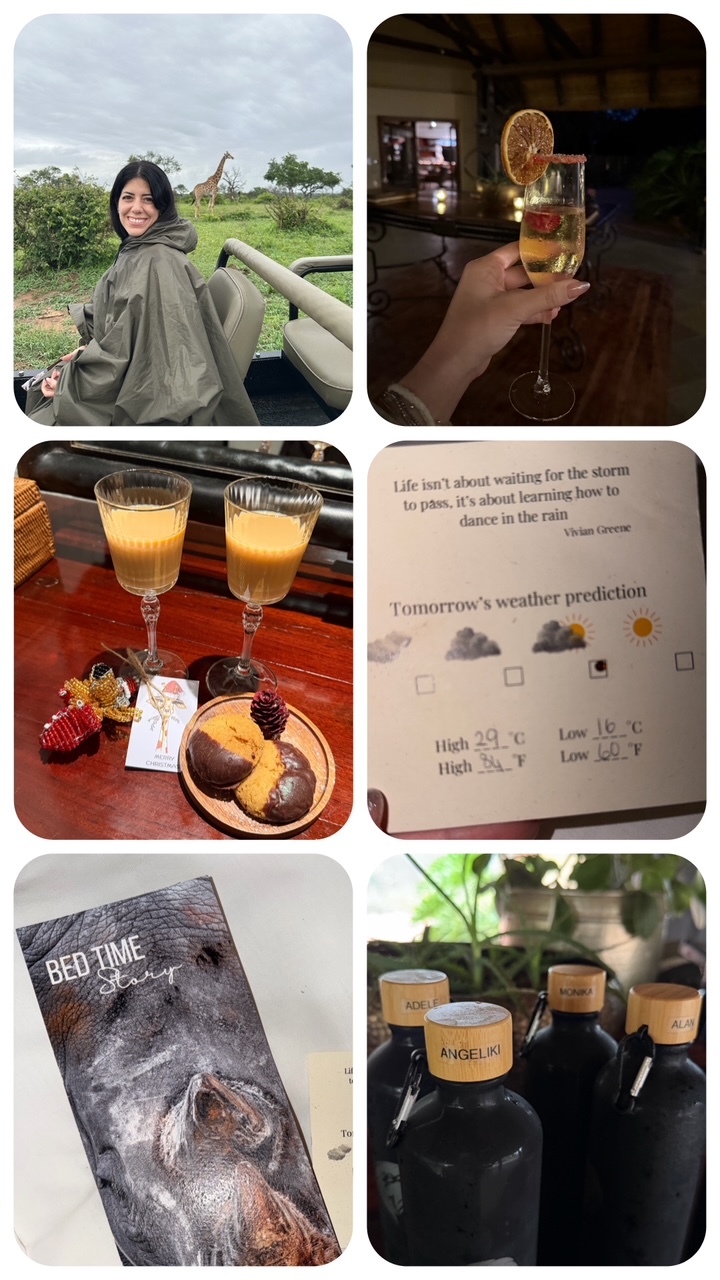
- Rain jackets were provided by the lodge on the safari vehicle.
- Each guest received a personalised reusable water bottle, always filled with cold drinking water.
- We were welcomed back after every game drive with refreshing drinks.
- Every evening, I returned to my room to find some little surprises waiting for me – sometimes a sweet treat, other times a small gift or a drink along with a bed time story and weather forecast for the next day.
- The level of hospitality and organisation was exceptional – it truly felt like every detail had been taken care of.
How many days do you need for a safari?
One of the most common questions I get is: “How many nights should I stay?”
Here’s what I would recommend:
* 2 nights: A great introduction to the safari experience, with 4 game drives.
* 3–4 nights: The sweet spot for most travellers. You’ll have plenty of opportunities to see the Big Five, experience different wildlife sightings and truly enjoy the lodge between game drives.
* 5+ nights: Ideal if you’re a wildlife enthusiast or photographer and want a slower, more immersive experience.
My experience: I stayed 4 nights at Thornybush Private Game Reserve, which included 8 game drives – two per day (morning and afternoon).
Personally, I thought it was the perfect amount of time. Every single game drive was different and although we saw all the animals more than once, each sighting was unique!! One drive might be all about elephants and giraffes, the other about newborns, while the next could surprise you with lions, a leopard or even a rare encounter!!
If you’re planning a South Africa itinerary that also includes Cape Town, I’d recommend spending 3-4 nights on safari before continuing your trip. It gives you enough time to fully immerse yourself in the experience without feeling rushed!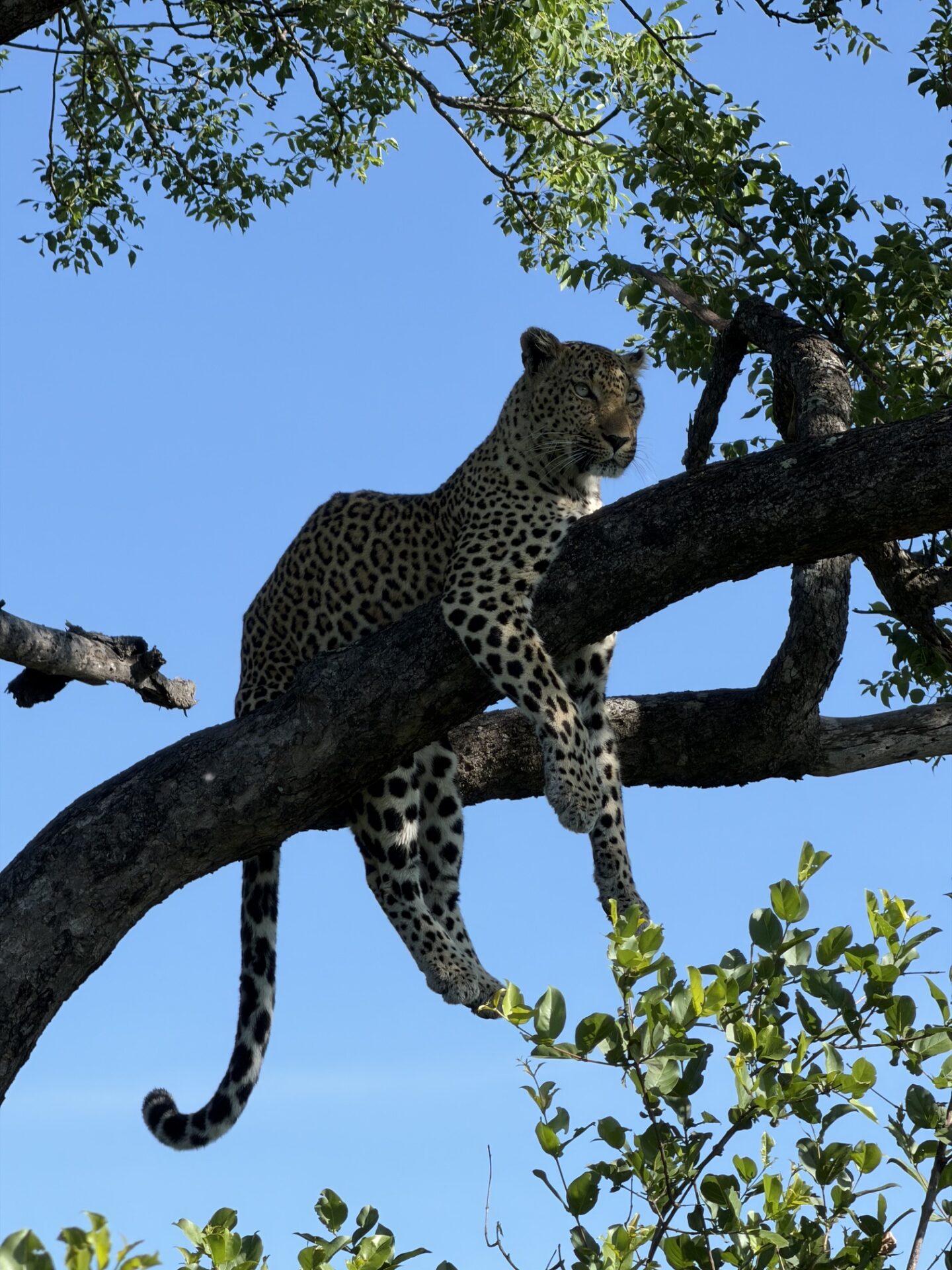
Final thoughts
Whether you choose Kruger National Park or a private game reserve, one thing is certain: you’re about to experience one of the greatest wildlife destinations on Earth!!!
If you’re looking for the most affordable option with complete flexibility, Kruger National Park is fantastic.
If, however, you’re dreaming of a once-in-a-lifetime luxury safari with expert guides, off-road wildlife encounters and an all-inclusive experience, I genuinely believe a private reserve is worth every cent.
For me, staying at Thornybush and experiencing safari this way became one of the most unforgettable trips of my life – and I would do it all over again….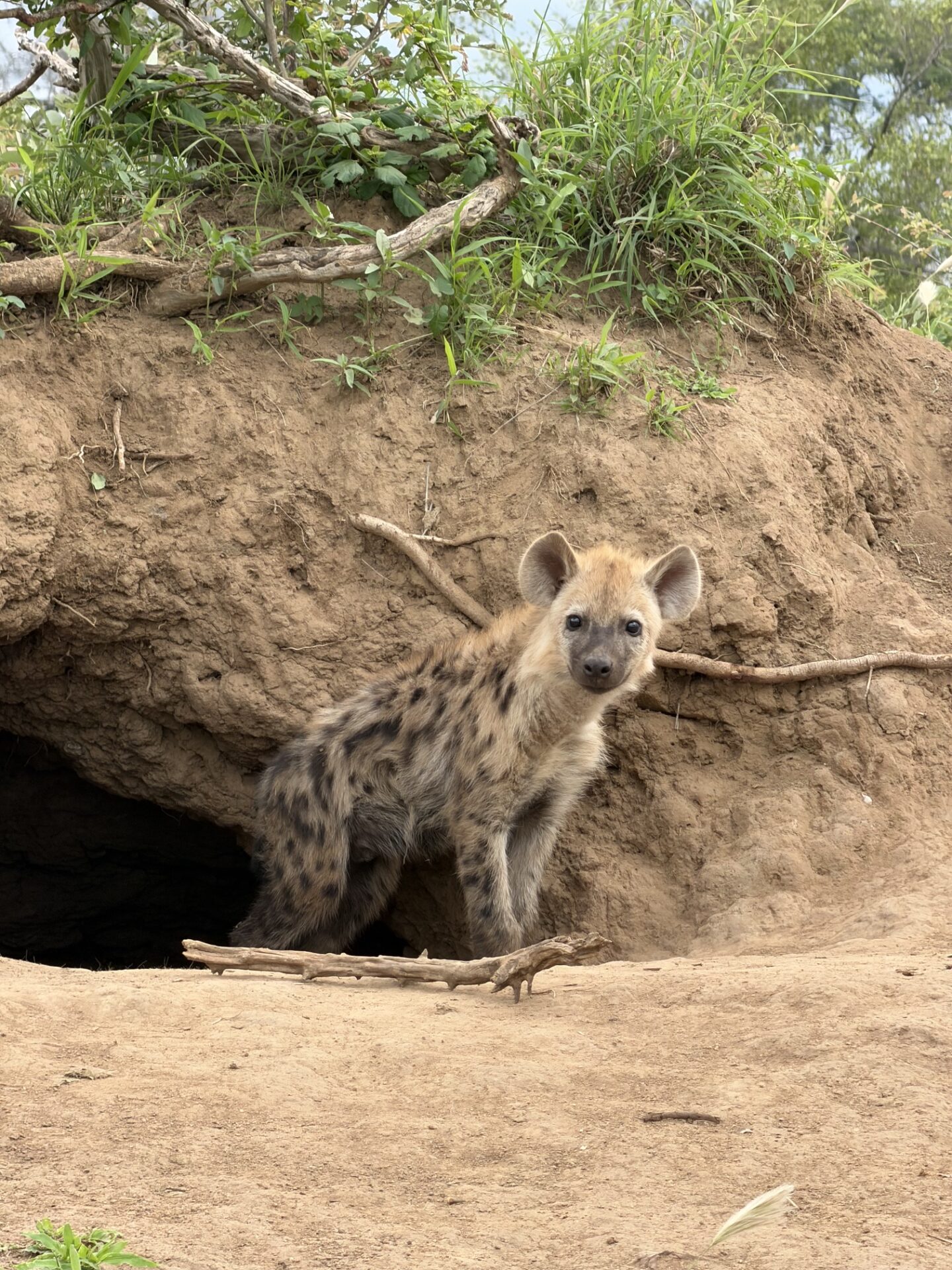
You can check more on my social media. Feel free to check my Instagram highlight and posts
@explorewith.angel

Thanks for reading my article! Feel free to comment or ask any question you may have :) xxx
Find me on: Instagram
